
Telecoil
Hearing instruments can amplify sound either through the microphone, through the telecoil or even both simultaneously. A telecoil is a tiny coil of wire fitted into hearing devices, enabling the wearer access to an audio induction loop. The loop carries amplified sound such as speech or music and transmits it in the form of an electromagnetic field to the telecoil in your hearing device.
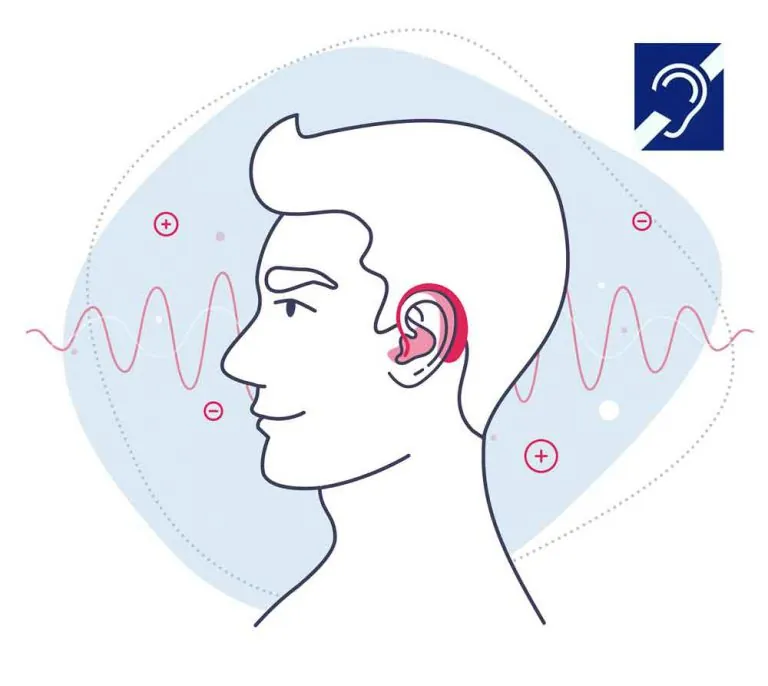
The telecoil program can be accessed on the hearing instrument either by a program button, switch or remote control. When you are in this program, the microphone is usually switched off, reducing interference from background noise, making it easier for you to hear what is being transmitted.
Not all hearing instruments are fitted with a telecoil. Most behind-the-ear style aids have a telecoil, but some small in-the-ear styles, do not have the room to fit a telecoil.

Using the Telecoil with Telephones
Most corded, landline telephones are compatible with the telecoil in hearing devices. For those phones that are not compatible, such as mobile and cordless phones, a portable induction loop can be used.
Set your hearing device to the telecoil program. Position the phone close to the ear if you wear in-the-ear style devices or up higher near the microphone if you wear the behind the ear style. You may need to practice positioning the phone to find the best signal. Increase the volume on the hearing aid if necessary. Once you have finished the phone call, remember to turn your hearing aid back to the normal listening program.

Loop Systems
Loop systems can be installed in the home or office for TV and sound systems, meetings or to alert the wearer to signals such as doorbells and fire alarms. Portable versions are also available, making them practical for traveling. Contact All Ears in Hearing for further information and demonstration.
Looped Areas
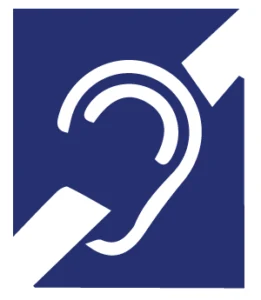
Many public areas such as ticket offices, banks, post offices, libraries, halls, churches and theatres are fitted with an induction loop system. Sometimes, only part of the room may be looped, so you may need to sit in a special section. If an area is looped, they will have the following sign displayed:




Frequently asked questions
What is a telecoil in a hearing aid?
A telecoil is a tiny coil of wire fitted inside some hearing devices. It picks up the signal from an audio induction loop, which carries sound such as speech or music as an electromagnetic field. Your hearing device can then pass that sound to you directly. Our team can explain how it works in a hearing aid fitted for you.
How do I know if my hearing aids have a telecoil?
Not all hearing aids include one. Most behind-the-ear styles have a telecoil, but some small in-the-ear styles don't have the room for it. The simplest way to find out is to ask us. Call Rochedale South on 07 3841 3764 or Shailer Park on 0478 282 561, and we can check your particular devices.
How do I switch to the telecoil program?
You can usually reach it through a program button, a switch or a remote control, depending on your hearing aid. When the telecoil program is on, the microphone is usually switched off, which reduces background noise from the room. If you're not sure which control your aid uses, bring it in and our team can show you.
Can I use the telecoil when I'm on the phone?
Often, yes. Most corded landline phones are compatible with a hearing device telecoil. Mobile and cordless phones usually aren't, but a portable induction loop can be used with them. Set your device to the telecoil program, hold the phone close to the ear or microphone, and practise the position to find the clearest signal.
Why does my hearing seem odd after a phone call?
You may have left your hearing aid on the telecoil program. After a call, remember to switch back to your normal listening program so the microphone is working again for everyday conversation. If you find it hard to remember, ask our team to show you an easy way to check which program you're on.
How can I tell if a public place has a hearing loop?
Look for the induction loop sign displayed in the area. Many places such as ticket offices, banks, post offices, libraries, halls, churches and theatres have loop systems. Sometimes only part of a room is looped, so you may need to sit in a special section. It's worth asking staff where the looped area is.
Can a loop system be set up at home or at work?
Yes. Loop systems can be installed at home or in the office for TV and sound systems, meetings, or to alert you to signals such as doorbells and fire alarms. Portable versions also exist and are practical for travelling. Contact our team for more information and a demonstration.