Worksites are demanding environments, and for many tradespeople loud noise is simply part of the job. Power tools, machinery, generators and busy sites all contribute to a noisy day. Looking after your ears at work is an important part of staying safe on the tools, and custom ear plugs are one option that some tradespeople consider. This article gives a general overview of what they are.
The information here is general in nature and is not advice for any individual, nor a substitute for your workplace's health and safety requirements. If you would like guidance about your own ears, a qualified audiologist is the right person to talk with about your particular situation.
Custom ear plugs for tradespeople and worksites
Many trades involve regular exposure to loud sound across a full working day. Hearing protection is a well-established part of worksite safety, and in Australia workplaces have obligations to manage noise. Ear plugs are one form of protection people use, alongside other measures set out by employers and safety regulations.
It is always important to follow your workplace's specific safety rules and the guidance of your site supervisor. Any hearing protection you use on site should meet the requirements that apply to your job, so checking these details is a sensible first step before considering your options. Different sites and trades can have different standards, so what is used on one job may not be right for another.
Noise and decibels from power tools
Custom ear plugs are made to fit the individual shape of a person's ears. A hearing care professional usually takes an impression of the ear canal, which is then used to create a plug that follows the contours of that particular ear. Because they are made to measure, they are designed to be worn across a long shift.
A tailored fit can also help the plugs stay securely in place during active, physical work. The person who fits them can explain the process, discuss the materials used and answer any questions you have about how the finished plugs are cared for and worn. Because trade work often involves a lot of movement, bending and lifting, a secure fit is something many people on the tools value.
Hearing protection that fits the ear canal
Fit matters when hearing protection is worn for hours at a time. Some people find that standard, one-size plugs can cause pressure or work loose over a long shift. Custom plugs are shaped to the individual ear and are designed to stay in place through the working day.
As with anything worn in the ear, it is sensible to follow the guidance given at fitting and to keep the plugs clean, especially in dusty environments. If a plug feels sore or irritating, or the fit changes over time, a hearing care professional can check it and discuss any adjustments.
Fit across a long day at the workplace
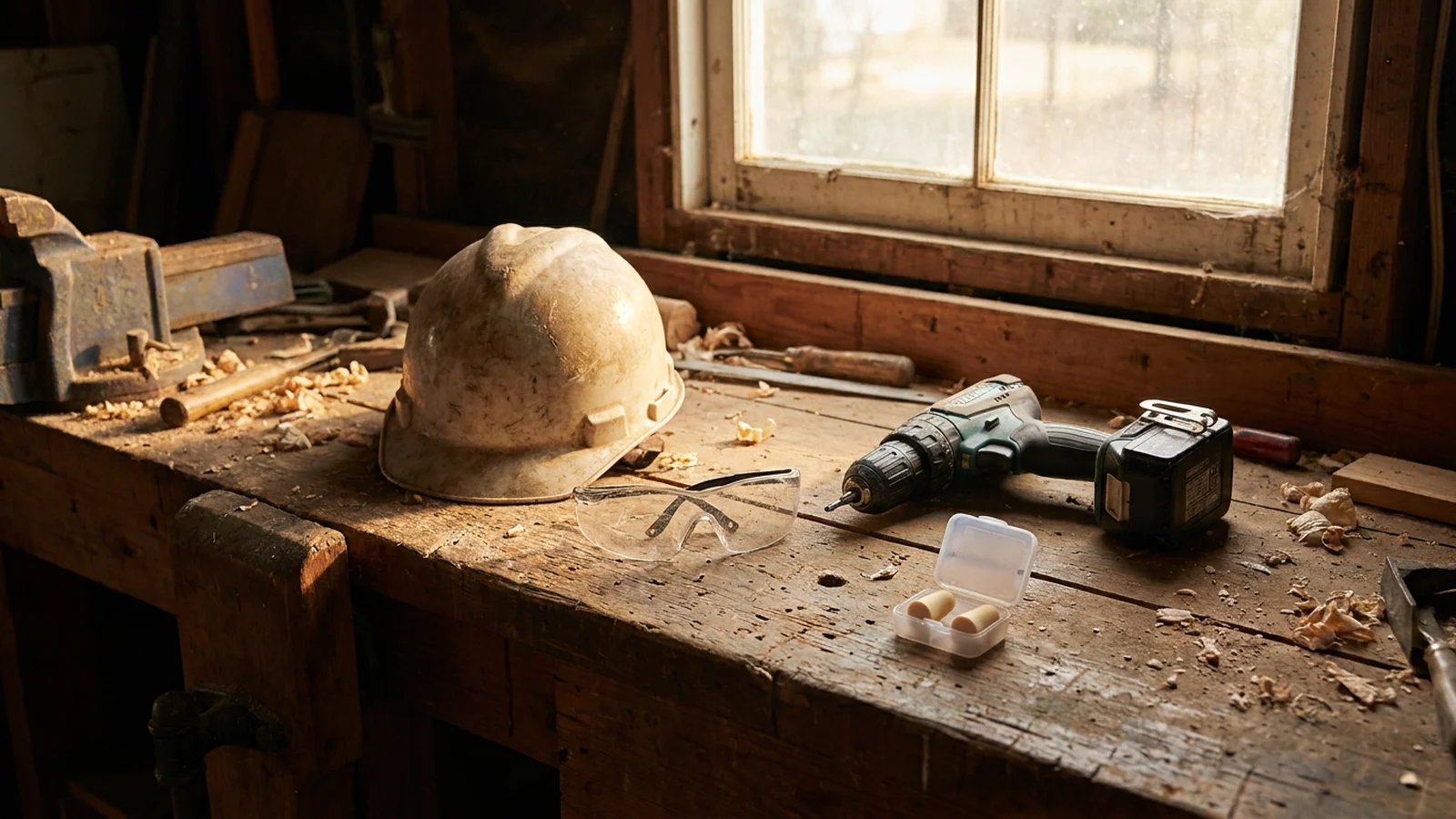
On a worksite, hearing protection needs to work alongside other equipment and site rules. It is worth thinking about how plugs sit with hard hats, safety glasses and communication devices, and whether you still need to hear important signals, alarms or instructions clearly while wearing them.
A hearing care professional can talk through these practical considerations with you, and your employer or safety officer can advise on what is required for your particular role. Bringing these two perspectives together helps you make a well-informed choice.
How an ear impression is taken
Worksites can be dusty and dirty, so keeping ear plugs clean is particularly important. Storing them in their case when not in use, cleaning them regularly and keeping them away from grime all help maintain hygiene. The person who fits them can explain the specific care steps for the type you choose. Building this into your end-of-day routine helps keep them ready for the next shift.
Ears can change over time, and plugs experience wear with heavy use. If your plugs begin to feel different, or the fit no longer seems right, it is worth having them checked so a hearing care professional can assess the fit and talk through your options.
Earplugs and site safety
For people who work in noisy environments, keeping an eye on your hearing over time is a sensible habit. Some workplaces arrange regular hearing checks as part of their safety programs, and these can be a useful opportunity to understand how your ears are doing and to ask any questions you may have.
Whether or not your workplace provides these checks, you can always arrange to speak with a qualified audiologist yourself. Staying informed about your hearing is a positive step, particularly for those who spend their working lives around loud tools and machinery. Making it a regular habit, much like any other health check, means you can ask questions and stay up to date over the years.
When to speak with an audiologist
This overview gives a general picture of what custom ear plugs are and why some tradespeople consider them. It is not a substitute for individual advice or for your workplace safety requirements, because the right choice depends on your own ears, your trade and the conditions you work in.
If you are interested in learning more, a qualified audiologist can walk you through the process, answer your questions and help you understand what may be involved. Asking and exploring your options is a sensible, no-pressure first step.
Every worksite is different, and so is each tradie's day. Our Brisbane clinic team can talk with you about custom ear plugs and general hearing protection. If your work is regularly noisy, a friendly chat can help you understand what might suit you.
If you would like to learn more, or to arrange a hearing appointment, you are welcome to get in touch with our friendly team. No referral is necessary, and we are happy to answer any questions you may have.
DISCLAIMER:
The information on this website is provided for educational purposes only. We do not support, nor recommend any products or treatments without proper hearing diagnostic and proper hearing evaluation. All users must seek professional advice before beginning treatment as well as inform themselves of known side effects/risks associated with said procedure(s).
Disclaimer: The information in this article is general in nature and provided for educational purposes only. It does not take into account your individual circumstances and is not a substitute for professional advice. Please consult a qualified hearing health professional about your specific needs.
Related articles
- Custom Ear Plugs for Shift Workers
- Custom Ear Plugs for Concerts and Festivals
- Custom Ear Plugs for Sleep
Looking for a hearing test or ear care? See hearing tests, hearing aids or book an appointment. Browse all articles.