
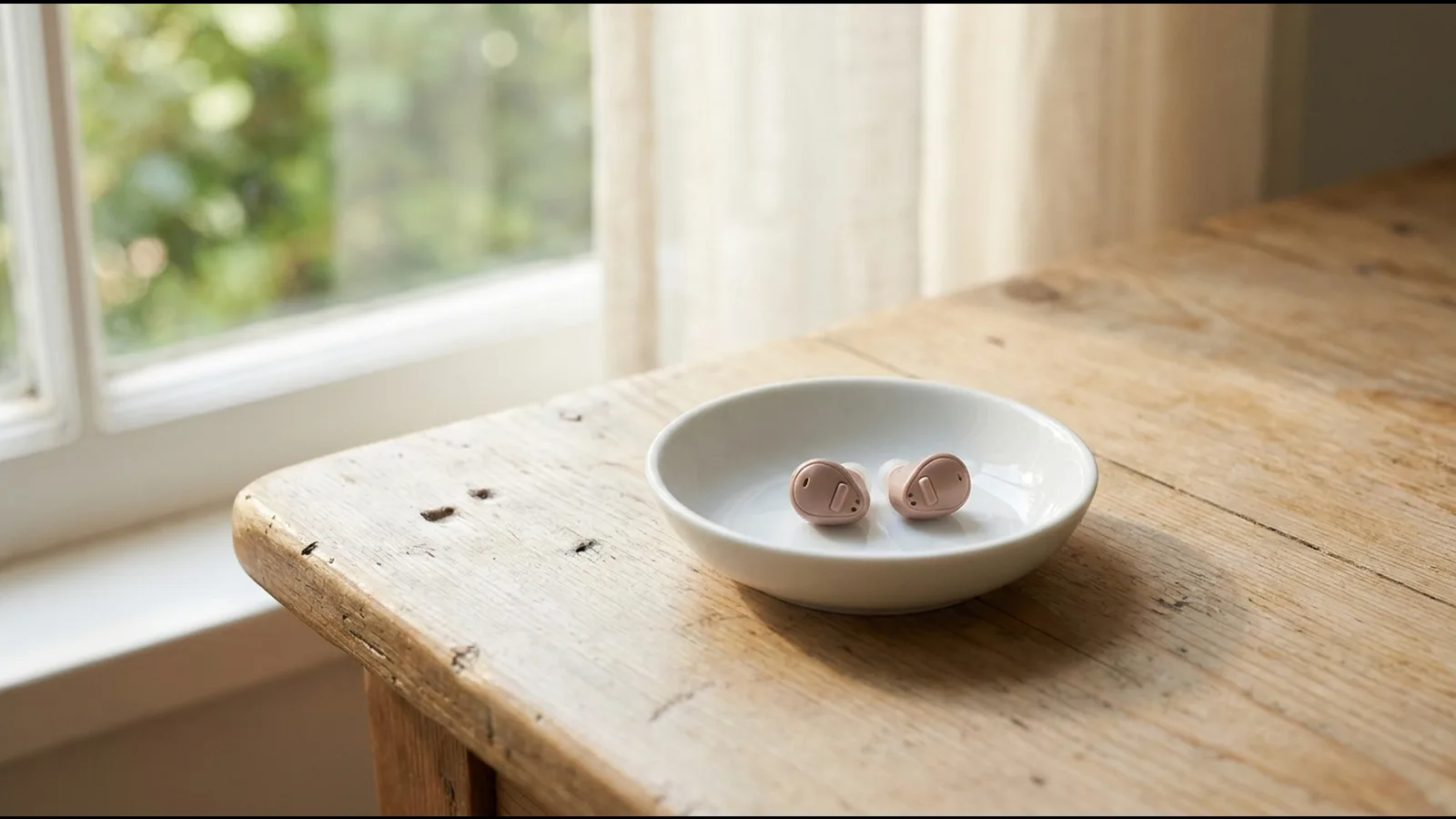
In-the-ear hearing aids, often shortened to ITE, are one of several styles of device available today. As the name suggests, they sit within the ear rather than behind it, and they are usually made to fit the individual shape of a person's ear canal. Understanding how this style works can help make sense of the different options you may come across as you learn more about hearing aids.
This article offers a general explanation of ITE hearing aids and how they are made to fit. It is not a recommendation of any particular product or brand, and a qualified audiologist is always a good person to advise on what suits an individual. Every person's ears and needs are different, so personal guidance matters a great deal.
What in-the-ear hearing aids are
In-the-ear hearing aids are devices designed to sit within the outer ear. Unlike styles that rest behind the ear, ITE devices are contained within a small housing that fits into the ear itself. This design gives them a distinctive look and feel compared with other styles, and it is one of the main things that sets this option apart.
Because they sit within the ear, ITE devices are shaped to match the contours of the wearer's ear. This individual fitting is one of the features that defines this style and helps it sit securely in place. The result is a device that is made with the particular wearer in mind.
How ITE devices are made to fit
A key part of many in-the-ear devices is that they are custom made for the individual. This usually begins with a careful impression or scan of the ear, which is used to shape the housing so that it matches the wearer's ear closely. This tailored approach helps the device sit steadily throughout the day.
The custom-fitting process is carried out by a hearing care professional, who makes sure the shape and fit are suited to the individual. This personal attention is one of the reasons a professional fitting is so important with this style of device, as the fit is central to how it feels in everyday wear.
Fit and everyday wear
Because ITE devices are shaped to the individual ear, the fit is tailored to each wearer. Fit is, however, very personal and varies from one person to another, so it is worth considering carefully.
An audiologist can assess the fit during a fitting and make small adjustments where appropriate. This is why trying a device with professional guidance is far more helpful than judging fit from descriptions alone. A good fit is central to how a device sits in everyday wear.
Handling and daily use
The way a device is handled from day to day is an important consideration for many people. In-the-ear designs come in different sizes, and the practical experience of managing them can vary. Thinking about what feels easy for you is a useful part of considering any style, and it is well worth raising during a conversation with your audiologist.
- The size and shape of the housing that fits your ear
- How the device is inserted and removed
- The everyday routine of caring for it
These are general points rather than rules, and a hearing care professional can talk through the practical side of this style in the context of your own needs. What feels easy for one person may be different for another.
Caring for in-the-ear devices
Like all hearing aids, in-the-ear devices benefit from a gentle, regular care routine. Because they sit within the ear, keeping them clean and dry is a normal part of ownership. A calm, consistent routine tends to work better than occasional deep cleaning, and it quickly becomes a simple habit once it is part of your day.
Your audiologist can show you the care routine that suits the particular device you wear. Knowing what to expect helps the whole experience feel calmer and more predictable over time, and it means there are fewer surprises as you settle into wearing the device.
Finding the right style for you
In-the-ear devices are just one of several styles, and the most suitable option always depends on the individual. Factors such as fit, handling, and your everyday needs all play a part. Rather than focusing on any single style, it helps to think about what fits your life as a whole and what suits you best.
A qualified audiologist can assess your hearing, listen to your preferences, and offer guidance tailored to you. This personal approach is far more reliable than trying to compare styles on your own, and it gives you the space to make a decision that feels right at your own pace.
Asking questions about your options
As you learn about different styles, it is natural to have questions, and there is never any such thing as a question that is too small. Understanding how a particular style is made, fitted, and cared for can help you feel more confident and settled about your options. A friendly conversation is often the clearest way to learn.
A hearing care professional is always happy to explain how in-the-ear devices compare with other styles in general terms. Talking things through in person allows you to weigh up what matters most to you, so that any decision reflects your own needs, preferences, and everyday life rather than general descriptions.
If you would like to learn more, or to arrange a hearing appointment, you are welcome to get in touch with our friendly team. No referral is necessary, and we are happy to answer any questions you may have.
DISCLAIMER:
The information on this website is provided for educational purposes only. We do not support, nor recommend any products or treatments without proper hearing diagnostic and proper hearing evaluation. All users must seek professional advice before beginning treatment as well as inform themselves of known side effects/risks associated with said procedure(s).
Disclaimer: The information in this article is general in nature and provided for educational purposes only. It does not take into account your individual circumstances and is not a substitute for professional advice. Please consult a qualified hearing health professional about your specific needs.
Related articles
- Directional Microphones in Hearing Aids Explained
- Completely-in-Canal (CIC) Hearing Aids Explained
- Receiver-in-Canal (RIC) Hearing Aids Explained
Looking for a hearing test or ear care? See hearing tests, hearing aids or book an appointment. Browse all articles.