Custom ear plugs come up in all sorts of conversations, from concerts and worksites to swimming and sleep. Because they are used in so many settings, it can be helpful to understand what they are and the different types that are made for different purposes. This article offers a general overview to give you a clearer picture.
The information here is general in nature and is not advice for any one person. If you would like guidance about your own ears and which type might suit you, a qualified audiologist is the best person to speak with about your particular situation.
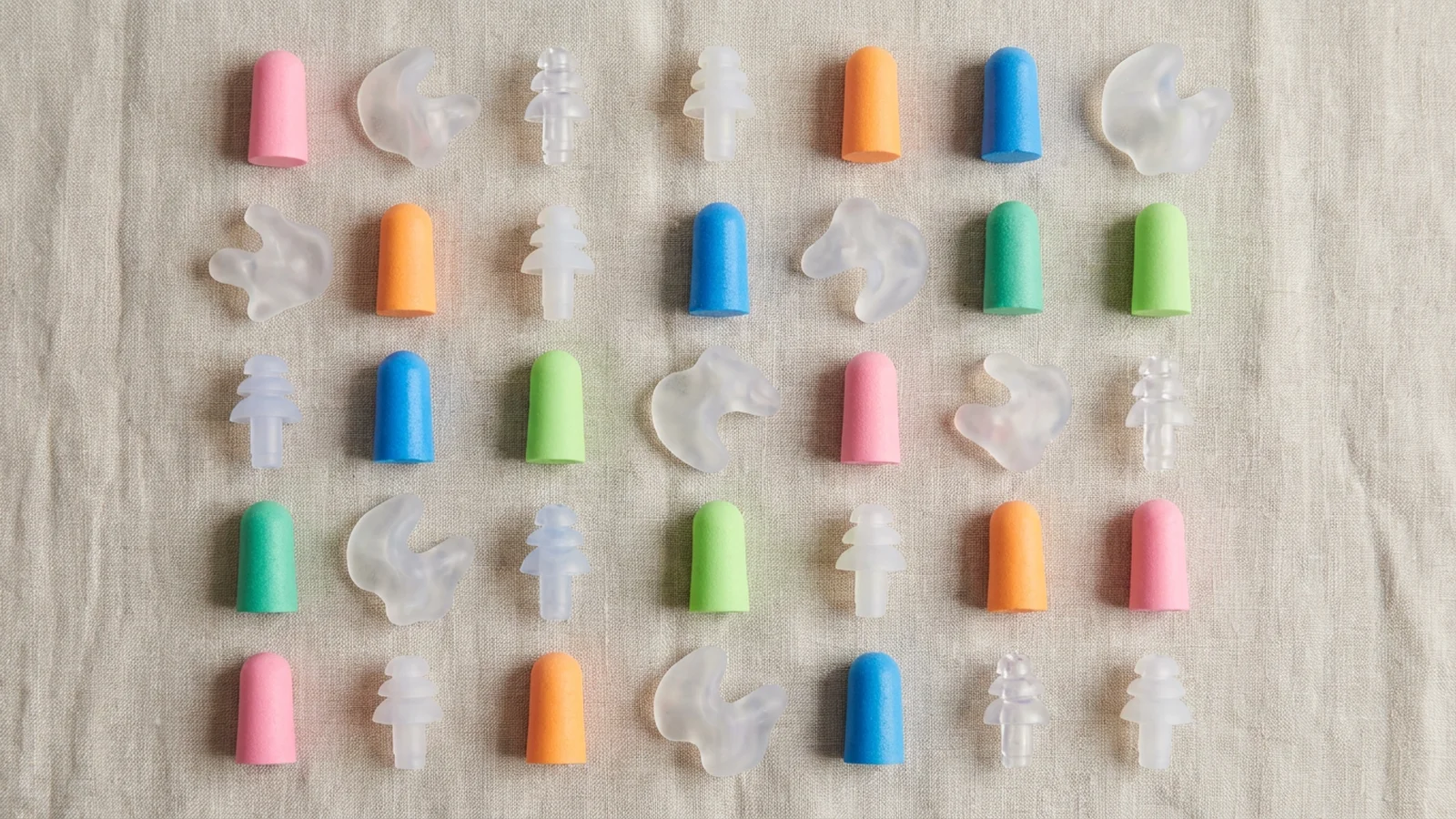
What custom ear plugs are and the types available
The defining feature of a custom ear plug is that it is made to fit the individual shape of a person's ears. To create one, a hearing care professional usually takes an impression of the ear canal, which is then used to produce a plug that follows the contours of that particular ear.
This is what sets custom plugs apart from standard, one-size options such as disposable foam plugs. Because they are shaped to the wearer, custom plugs are shaped to the wearer, and a tailored fit is intended to help them stay in place. Ears vary a great deal in size and shape from one person to the next, which is part of why a made-to-measure approach appeals to so many people.
How an ear impression shapes the fit
One common type is designed for loud settings such as concerts, festivals and live music. These plugs generally aim to lower the level of sound while keeping music sounding relatively balanced, so the listener can still enjoy the detail of the performance. Many use small interchangeable filters offering different levels of sound reduction.
Musicians often take an interest in a similar type, designed to help a performer still hear their instrument and bandmates while lowering the overall volume. A hearing care professional can explain how these options are intended to work and what the different filters do. The aim with these music-focused plugs is generally to keep sound relatively balanced rather than muffled, which is why people who care about sound quality tend to ask about them.
Materials, fit and the ear canal
Another type is made for noisy workplaces, where hearing protection is part of everyday safety. Tradespeople and others who work around loud tools and machinery sometimes choose custom plugs for use across a long shift, alongside the protection measures set out by their employer and relevant safety rules.
Any hearing protection used at work should meet the requirements that apply to that job, so it is important to check your workplace's specific safety guidance. A hearing care professional can talk through how custom options might fit within those requirements.
Musicians earplugs and hearing protection from noise
There are also custom plugs designed to help keep water out of the ears, which swimmers, surfers and people who spend a lot of time in the water sometimes use. These are shaped to the individual ear and made from materials suited to being in and around water.
As with other types, the fit and materials are chosen with the specific purpose in mind. If you spend a lot of time in the water and are curious about these plugs, a hearing care professional can explain what is involved and whether they might suit you. Some swim plugs are made in bright colours or designed to float, which can be handy features if a plug ever comes loose in the water.
Swim plugs and sleep plugs
Some custom plugs are made for sleeping, using soft materials designed for sleeping. People who share their home with a snoring partner, live near a busy road, or work shifts and sleep during the day sometimes consider them as part of creating a calmer sleep environment.
Because these plugs lower the sounds you hear, it is sensible to think about how you will still wake for alarms and hear anything important. A hearing care professional can discuss these practical points as part of helping you decide whether they suit your routine.
How filters change the earplugs
With so many types available, the right choice depends entirely on how and where you plan to use them. The materials, the fit and any filters are all chosen with a particular purpose in mind, so a plug made for swimming is quite different from one made for concerts or sleep.
Thinking about your own lifestyle, the settings you spend time in and how often you would use them can help you have a more useful conversation. There is no single best option; there is simply the option that suits your particular needs. Some people even find that more than one type is useful across their week, such as a set for the water and another for rest, depending on how they spend their time.
When to speak with an audiologist
This overview gives a general sense of the main types of custom ear plugs and the situations they are made for. It is not a substitute for individual advice, because the most suitable choice depends on your own ears, your preferences and how you spend your time.
If you are interested in learning more, a qualified audiologist can take you through the options, answer your questions and help you understand what may be involved. Asking and exploring is a positive, no-pressure first step.
Every set of ears is different, and so is every reason for wearing plugs. Our Brisbane and Logan team helps people choose between the many types of custom ear plugs. A relaxed chat can help you understand which style might suit your day.
If you would like to learn more, or to arrange a hearing appointment, you are welcome to get in touch with our friendly team. No referral is necessary, and we are happy to answer any questions you may have.
DISCLAIMER:
The information on this website is provided for educational purposes only. We do not support, nor recommend any products or treatments without proper hearing diagnostic and proper hearing evaluation. All users must seek professional advice before beginning treatment as well as inform themselves of known side effects/risks associated with said procedure(s).
Disclaimer: The information in this article is general in nature and provided for educational purposes only. It does not take into account your individual circumstances and is not a substitute for professional advice. Please consult a qualified hearing health professional about your specific needs.
Related articles
- Custom Ear Plugs for Tradespeople and Worksites
- Custom Ear Plugs for Shift Workers
- Custom Ear Plugs for Concerts and Festivals
Looking for a hearing test or ear care? See hearing tests, hearing aids or book an appointment. Browse all articles.