
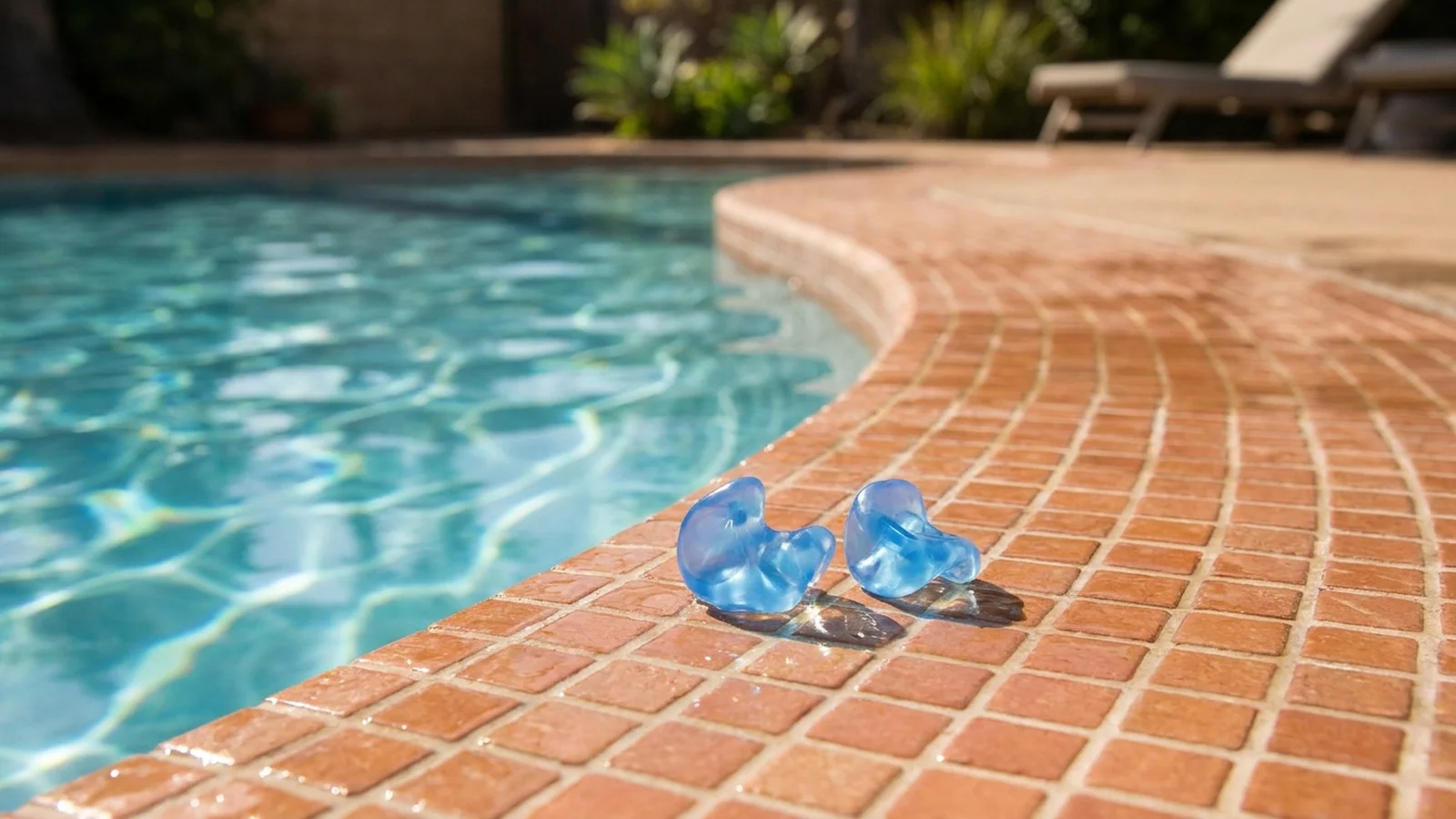
For anyone who loves the water, whether that means laps at the local pool, ocean swims or time in the surf, keeping water out of the ears is a common wish. Custom swim plugs are one option people consider, and they come up often in conversations about water and the ears. This article offers a general explanation of what they are and how they are made.
The information here is general in nature and is not advice for any one person. If you would like guidance about your own ears and whether custom swim plugs might suit you, a qualified audiologist is the best person to speak with about your particular situation.
What custom swim plugs are
Custom swim plugs are ear plugs made to fit the individual shape of a person's ears, with the particular aim of helping to keep water out. A hearing care professional usually takes an impression of the ear canal, which is then used to create a plug that follows the contours of that particular ear.
Because they are made to measure, custom swim plugs are shaped to the individual ear, unlike standard, one-size options. The materials used are chosen with water in mind, so the plugs are suited to being in and around pools and the sea. The impression process is usually quick and straightforward, and the person taking it can explain each step so you know what to expect.
A close fit for swimming
The main purpose of a swim plug is to form a snug fit designed to help limit water entering the ear canal. A custom fit is designed to sit closely against the shape of the individual ear, which is why many swimmers take an interest in this option rather than generic plugs that may not fit as well. A close fit is the key idea behind the whole design.
Many swim plugs are made in bright colours so they are easy to spot if they come loose, and some are designed to float. A hearing care professional can explain the features of the plugs they offer and how they are intended to be used in the water.
How an ear impression shapes the ear canal
Fit is important for something worn during active swimming, and a good fit helps the plugs stay in place through movement. Because custom plugs are shaped to the individual ear, they are intended to sit more securely than a standard plug, which may work loose.
As with anything worn in the ear, it is sensible to follow the guidance given at fitting and to keep the plugs clean, particularly after time in chlorinated or salt water. If a plug does not feel right, or the fit changes over time, a hearing care professional can check it for you.
Keeping water and moisture out of the ears
People who spend a lot of time in the water often take an interest in ways to keep water out of their ears. That might include regular lap swimmers, ocean swimmers, surfers and children who love the pool. Some people are advised by a health professional to keep water out of their ears, and swim plugs may be part of that conversation. Parents sometimes ask about them for children who love the pool but are prone to water bothering their ears.
Because everyone's ears and swimming habits differ, what suits one person may not suit another. If you are unsure whether swim plugs are right for you, a hearing care professional or your general practitioner can offer guidance based on your individual circumstances.
Materials and care for swimmers and surfers
Looking after custom swim plugs helps keep them in good condition and hygienic. Rinsing them after use, drying them properly, storing them in their case and keeping them away from extreme heat are all simple, sensible habits. The person who fits them can explain the specific care steps for the type you choose. A little routine care after each swim goes a long way towards keeping them clean and in good condition.
Ears can change over time, and plugs experience wear with regular use in water. If your plugs begin to feel different, or the fit no longer seems right, it is worth having them checked so a hearing care professional can assess the fit and discuss your options.
Caring for your earplugs
Water in the ears is a common experience for swimmers. If you notice pain, ongoing discomfort, a blocked feeling, discharge or any other concern about your ears, please see your GP or an audiologist rather than trying to manage it yourself. If you ever notice a sudden change in your hearing, see your GP or an emergency department the same day.
A hearing care professional or your general practitioner can look into what is happening and offer advice suited to you. Reaching out with any concerns is always the sensible choice, and there is no need to wait if something does not feel right.
When to speak with an audiologist
This overview gives a general sense of what custom swim plugs are and how they are made. It is not a substitute for individual advice, because the right choice depends on your own ears, your swimming habits and any guidance you have received from a health professional.
If you are curious about custom swim plugs, a qualified audiologist can walk you through the process, answer your questions and help you understand what may be involved. Asking and learning more is a positive, no-pressure first step.
Every swimmer and surfer is different, and so is every set of ears. Our Brisbane and Logan team helps people with custom swim plugs. If water in the ears bothers you, a friendly chat can help you understand what might suit you.
If you would like to learn more, or to arrange a hearing appointment, you are welcome to get in touch with our friendly team. No referral is necessary, and we are happy to answer any questions you may have.
DISCLAIMER:
The information on this website is provided for educational purposes only. We do not support, nor recommend any products or treatments without proper hearing diagnostic and proper hearing evaluation. All users must seek professional advice before beginning treatment as well as inform themselves of known side effects/risks associated with said procedure(s).
Disclaimer: The information in this article is general in nature and provided for educational purposes only. It does not take into account your individual circumstances and is not a substitute for professional advice. Please consult a qualified hearing health professional about your specific needs.
Related articles
- Custom Ear Plugs for Tradespeople and Worksites
- Custom Ear Plugs for Shift Workers
- Custom Ear Plugs for Concerts and Festivals
Looking for a hearing test or ear care? See hearing tests, hearing aids or book an appointment. Browse all articles.