Hearing aids can become a natural part of daily life, but like anything new, they often take a little time to get used to. Many people find that the more consistently they wear their devices, the more familiar everyday sounds may begin to feel. There is no need to expect it all to click into place immediately, as settling in is very much a gradual process. Understanding a few simple habits can help you feel more confident with your hearing aids from one day to the next. Getting the most from hearing aids is something our Brisbane team is often asked about, and these general ideas apply just as well across Logan and surrounding areas.
This general guide brings together some common, practical tips shared by people who wear hearing aids and by hearing care professionals. Everyone's hearing is different, so think of these as friendly starting points rather than strict rules. Some ideas will suit you more than others, and that is perfectly fine. For advice tailored to your own situation, a qualified audiologist is always the right person to speak with.
Building up your hearing aid wearing time
One of the most common pieces of general advice is to wear your hearing aids regularly rather than only for special occasions. Consistent wear can help your ears and brain become familiar with the fuller range of sounds around you. In the early days, some people build up their wearing time gradually, starting in quieter settings before moving into busier ones. This steady approach is one that many people choose.
There is no single timetable that suits everyone, and it is perfectly normal for the first few weeks to feel like an adjustment. If sounds feel unusual or tiring at first, that experience is quite common and tends to ease with time. Keeping a simple note of how you go can be useful to share at a follow-up appointment. Your audiologist can then talk through anything that is not sitting right.
Cleaning and storage habits
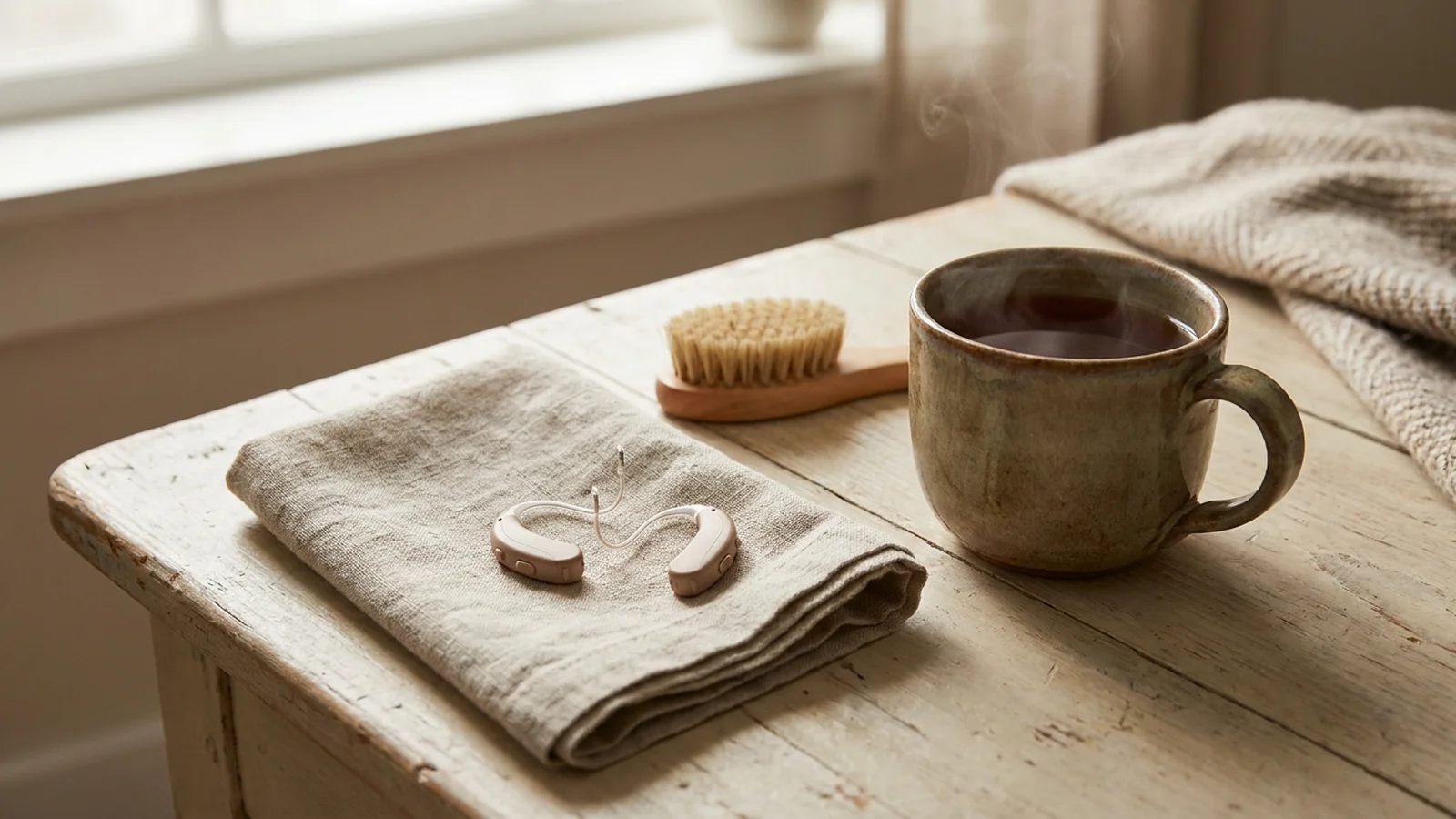
A gentle daily clean can help keep hearing aids working as they are designed to. Wiping the devices with a soft, dry cloth to remove moisture and everyday debris is a habit many people find helpful. Earwax and dust can gather around the parts that sit in or near the ear, so a light wipe at the end of the day is a sensible routine. It takes only a moment once it becomes part of your evening.
Avoid using water, cleaning solvents or sharp objects, as these can affect the delicate components inside. It is also worth handling the devices over a soft surface so they are protected if they slip from your fingers. Your audiologist can show you the correct way to care for your particular style of hearing aid. They can also recommend any small cleaning tools that suit them.
Batteries and rechargeable devices
When your hearing aids are not being worn, storing them in a safe, dry place can help protect them. Many people keep a dedicated spot, such as a case or a drying container, so the devices are easy to find and less likely to be knocked or misplaced. Keeping them away from heat, damp and curious pets is also worth remembering. A consistent storage habit reduces the chance of a device being left somewhere it might be damaged.
If your devices use disposable batteries, opening the battery door overnight can allow air to circulate. For rechargeable models, returning them to their charger is usually part of the nightly routine. Either way, a regular place and a regular time make the habit simple to keep. Your audiologist can talk you through the storage approach that suits your specific hearing aids.
Settling into everyday sounds and settings
Everyday life includes a wide mix of sounds, from quiet rooms to busy cafes, and it can take time to become familiar with all of them. Some people find noisier places more challenging at first, which is a common experience. Giving yourself time in a range of settings can help you become familiar with how your hearing aids respond. There is no need to rush into the busiest environments before you feel ready.
If certain situations feel particularly difficult, it is worth mentioning them at a review appointment. Hearing aids often have different settings designed to suit different environments. An audiologist can discuss whether any adjustments might be appropriate for you, based on what you describe. Sharing specific examples helps make these conversations more useful.
Handling and daily listening
Getting confident with putting hearing aids in and taking them out can help with your daily routine. Many people practise over a soft surface, such as a bed or towel, so the devices are protected if they slip. Building a simple routine, like putting them in after your morning wash and removing them before bed, can help the habit stick. With practice, the whole process often becomes more familiar.
It also helps to keep track of small supplies, such as spare batteries or cleaning tools, so you are not caught out. Storing everything together in one place saves time and reduces fuss. A little organisation can take some of the effort out of wearing hearing aids day to day. If handling ever feels tricky, your audiologist can offer tips suited to your devices.
Follow-up appointments with your audiologist
Regular check-ins with your hearing care professional are an important part of getting used to hearing aids over time. Follow-up appointments give you a chance to talk through how things are going, ask questions and have your devices checked and cleaned professionally. Hearing can change gradually, so periodic reviews help keep your care up to date. These appointments are also a good moment to raise anything you have been wondering about.
There is no need to wait for a scheduled appointment if something feels off. If your hearing aids feel sore or irritating, seem quieter than usual, or simply do not feel right, reaching out to your audiologist is always a good idea. Small questions are always welcome, and it is better to ask than to wonder. Ongoing support is there to help you feel at ease with your devices.
If you would like to learn more, or to arrange a hearing appointment, you are welcome to get in touch with our friendly team. No referral is necessary, and we are happy to answer any questions you may have.
DISCLAIMER:
The information on this website is provided for educational purposes only. We do not support, nor recommend any products or treatments without proper hearing diagnostic and proper hearing evaluation. All users must seek professional advice before beginning treatment as well as inform themselves of known side effects/risks associated with said procedure(s).
Disclaimer: The information in this article is general in nature and provided for educational purposes only. It does not take into account your individual circumstances and is not a substitute for professional advice. Please consult a qualified hearing health professional about your specific needs.
Related articles
- Getting Ready for the Festive Season with Hearing Aids
- Caring for Hearing Aids in Winter
- Caring for Hearing Aids in Cold, Wet Weather
Looking for a hearing test or ear care? See hearing tests, hearing aids or book an appointment. Browse all articles.