
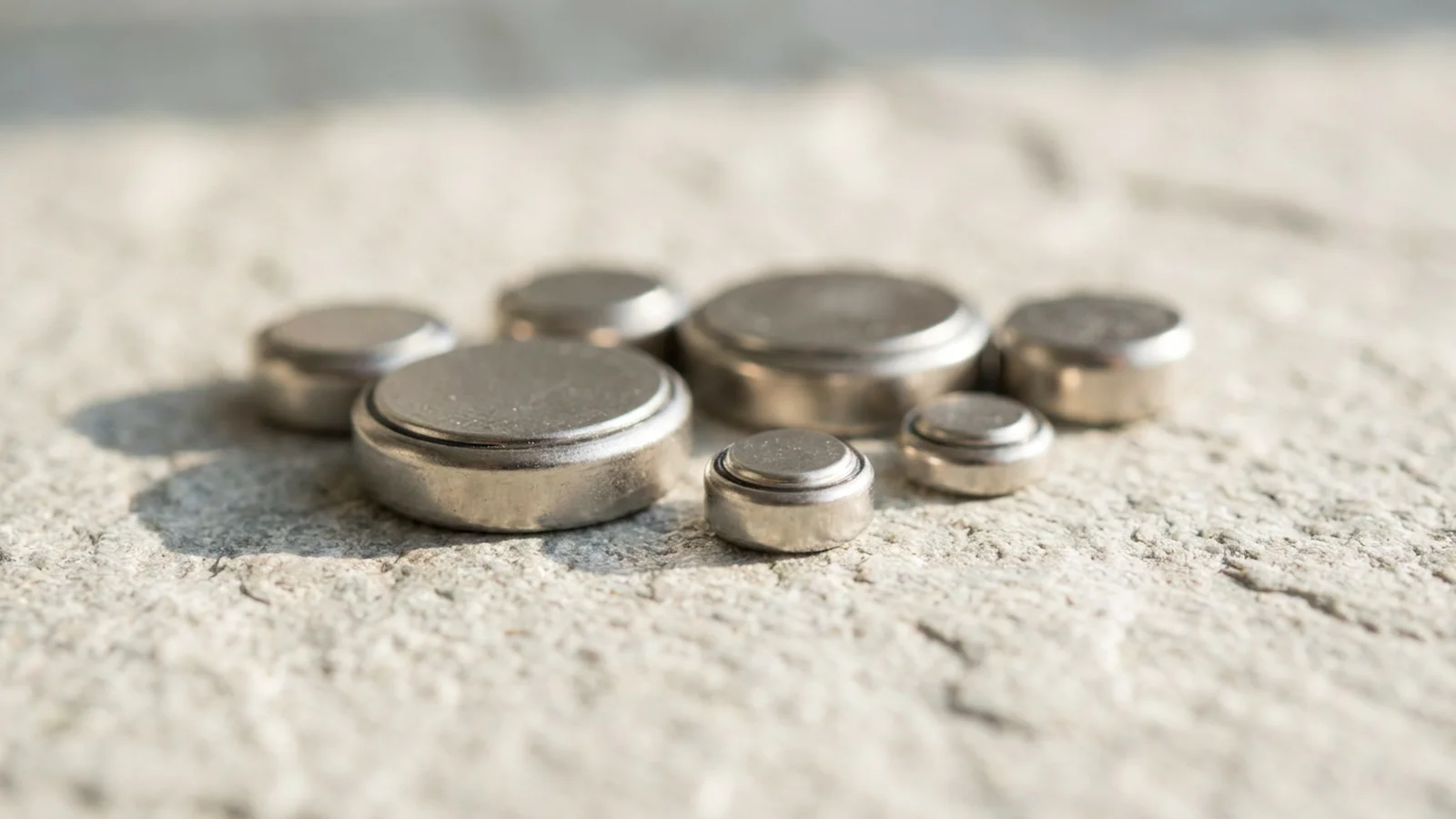
Batteries are a small but important part of how many hearing aids work, and understanding them can help with day-to-day use. Some hearing aids use replaceable batteries, while others are rechargeable. Knowing the basics of each can help you feel more confident about keeping your devices ready to use. It also makes it simpler to plan ahead for busy days or time away from home. Questions about hearing aid batteries and sizes come up often at our Brisbane clinic, and the general ideas apply across Logan and the rest of Australia.
This general overview looks at common battery types, sizes and simple handling tips. The right approach depends on your particular hearing aids, so your audiologist is always the right person to explain what suits your specific devices. Consider this a friendly introduction rather than a guide to any one model. Your hearing care professional can fill in the details that apply to you.
Disposable and rechargeable hearing aid batteries
Broadly speaking, hearing aid batteries fall into two categories: disposable and rechargeable. Disposable batteries are replaced when they run out, while rechargeable batteries are topped up using a charger, usually overnight. Both approaches are common, and each has its own everyday routine. Which one suits a person often comes down to lifestyle and personal preference.
Which type your hearing aids use is determined by the model itself. If you are unsure what your devices rely on, it is easy to check. Your hearing care professional can confirm this and show you how to manage the power source. Once you know the routine, keeping your devices powered becomes straightforward.
Common battery sizes and colour codes
Disposable hearing aid batteries commonly come in a few standard sizes, often identified by both a number and a colour code on the packaging. The colour coding is designed to help you identify the correct size at a glance. Smaller devices tend to use smaller batteries, while larger styles may use bigger ones. This range means there is a size to suit different hearing aids.
Because the sizes are not interchangeable, using the correct one for your device matters. Picking up the wrong size by mistake is easy to avoid once you know your colour. If you are ever unsure which size your hearing aids take, checking your existing packaging can help. Your audiologist can also confirm the right size for you.
Understanding battery life and power source
How long a hearing aid battery lasts can vary depending on the size of the battery, the device and how it is used. Everyday factors such as how many hours the hearing aids are worn can also play a part. Because of this, battery life is difficult to predict precisely and differs from person to person. Many people simply learn their own rough pattern over time.
Keeping spares on hand is a practical response to this variation. That way, a battery running down is never much of an inconvenience. If you notice your batteries seem to run down unusually quickly, it can be worth mentioning at your next appointment. Your hearing care professional can look into it for you.
Caring for disposable batteries
A few simple habits can help you get the most out of disposable batteries. Storing them at room temperature in a dry place is commonly suggested, and keeping them in their packaging until needed helps avoid accidental contact between them. Some batteries have a small tab that is removed just before use. Handling them with clean, dry hands is also a good idea.
Keeping batteries well away from children and pets is very important, as they can be harmful if swallowed. If a battery is ever swallowed, seek medical help straight away. Storing spares securely reduces this risk in the home. Your hearing care professional can offer general guidance on safe handling and storage.
Rechargeable batteries and the charger
For rechargeable hearing aids, charging is usually built into the daily routine, with devices placed on their charger overnight. The charger often doubles as a storage case, keeping the hearing aids protected while they top up. Following the routine that comes with your particular model helps keep the devices ready each morning. It is a simple habit that quickly becomes second nature.
Over a long period, rechargeable batteries may gradually hold less charge, which is a normal part of their lifespan. This tends to happen slowly rather than all at once. If you notice a change in how long a charge lasts, it is worth raising. Your audiologist can discuss what this might mean for your devices.
Keeping spares and staying prepared
Whether you use disposable or rechargeable batteries, a little preparation goes a long way. People who use disposable batteries often keep spares in a bag or drawer so they are never caught short. Those with rechargeable devices sometimes plan ahead for times when charging might be tricky, such as long days out. A small amount of forethought can save a lot of bother.
Being prepared can take some of the worry out of everyday wear. Knowing you have what you need lets you get on with your day. If you have questions about battery choices or handling, there is no need to guess. Your hearing care professional is always happy to help you understand your options.
Storing and disposing of batteries
When disposable batteries reach the end of their life, disposing of them thoughtfully is worth keeping in mind. Loose batteries are best kept away from children and pets until they can be discarded safely. Some communities offer particular ways to dispose of batteries, so it can be worth checking what is available in your area.
Keeping used batteries separate from fresh ones also helps avoid any mix-ups. A small container set aside for spent batteries can make this simple. Your hearing care professional can offer general guidance on handling batteries safely from start to finish.
If you would like to learn more, or to arrange a hearing appointment, you are welcome to get in touch with our friendly team. No referral is necessary, and we are happy to answer any questions you may have.
DISCLAIMER:
The information on this website is provided for educational purposes only. We do not support, nor recommend any products or treatments without proper hearing diagnostic and proper hearing evaluation. All users must seek professional advice before beginning treatment as well as inform themselves of known side effects/risks associated with said procedure(s).
Disclaimer: The information in this article is general in nature and provided for educational purposes only. It does not take into account your individual circumstances and is not a substitute for professional advice. Please consult a qualified hearing health professional about your specific needs.
Related articles
- Understanding Your Hearing Aid Fitting Appointment
- Understanding Hearing Aid Technology Levels
- Looking After Rechargeable Hearing Aid Batteries
Looking for a hearing test or ear care? See hearing tests, hearing aids or book an appointment. Browse all articles.