
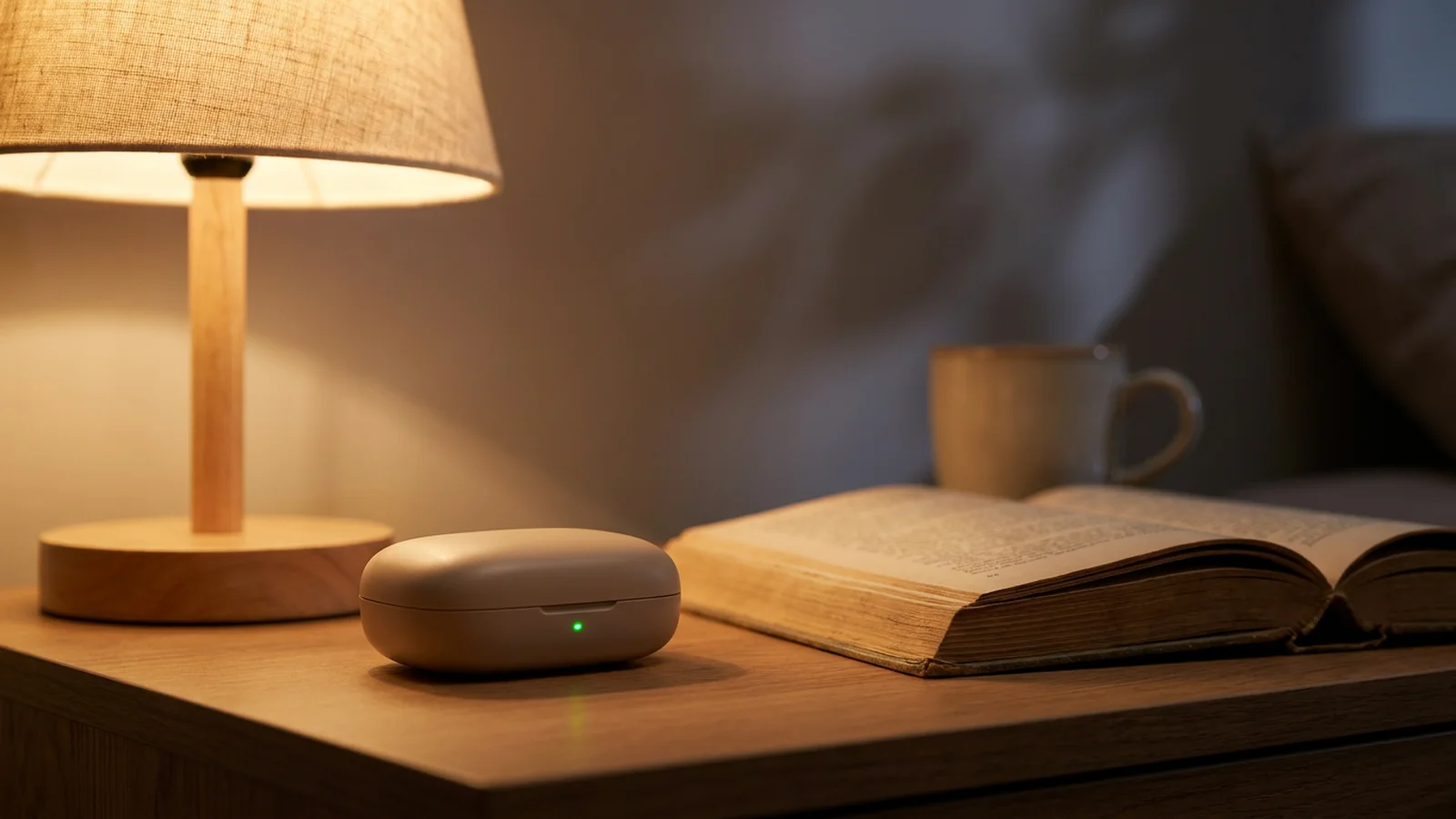
Rechargeable hearing aids have become a popular option, and many people appreciate the simplicity of charging a device rather than changing small batteries. Looking after a rechargeable battery is generally straightforward, and a gentle daily routine helps keep things running smoothly. Knowing a few simple habits can help with day-to-day ownership.
This article shares general tips for caring for rechargeable hearing aid batteries. These are friendly suggestions rather than instructions for any particular device, and your audiologist can always advise on anything specific to the model you wear. Every device is a little different, so personal guidance is always worthwhile.
Getting to know your hearing aid charger
A good starting point is to become familiar with the charger that comes with your device. Understanding how it works, and how to place the device correctly, helps the whole routine run smoothly. Taking a moment to learn these basics early on can save small frustrations later and helps you feel confident from the very beginning.
If anything about the charger is unclear, there is no need to guess. A hearing care professional can show you how it works and answer any questions, so you know how to use it from day to day. It is always fine to ask for a demonstration if that would help.
Building a simple daily charging routine
Many people build charging into a regular part of their day. Choosing a consistent time, such as overnight, means the device is ready when you need it each morning. A steady habit takes the guesswork out of charging and helps the routine run smoothly.
A predictable routine also makes it less likely that you will be caught out with a device that needs charging. Small, consistent habits tend to be simpler than trying to remember an occasional task.
Keeping the batteries clean and dry
As with any hearing aid, keeping the device and its charging contacts clean and dry supports smooth everyday use. A gentle wipe with a soft, dry cloth is often all that is needed. Moisture and debris are worth keeping away from both the device and the charger, as they can affect how everything works over time.
- Wipe the device gently with a soft, dry cloth
- Keep the charger in a clean, dry place
- Avoid exposing the device and charger to water or heat
These are general suggestions rather than specific instructions. Your audiologist can show you the care routine that suits the particular device and charger you use, so you feel confident looking after them.
Thoughtful storage for your device
Where you keep your device and charger can make a difference to everyday use. A clean, dry spot away from heat and direct sunlight is usually a sensible choice. A consistent storage place also helps keep everything together and ready, so you always know where to find what you need.
Thinking about storage as part of your routine helps keep the whole process simple. When your device and charger have a regular home, charging becomes a regular habit that fits into your day.
Travelling with rechargeable devices
If you are heading away from home, a little planning can help you keep your routine going. Remembering to pack the charger and thinking about how you will charge the device while travelling can save any inconvenience. A small amount of preparation goes a long way towards a relaxed trip.
A hearing care professional can offer general guidance on managing your device while you are away. Asking before you travel means you can set off feeling relaxed and prepared, with one less thing to think about while you are enjoying your time away.
When to seek advice about batteries
If you notice any change in how your device charges or holds its charge, it is sensible to arrange a check rather than to wait. Early attention often makes routine matters simpler, and it gives you peace of mind in the meantime. There is no question too small to raise with a friendly team.
Because every device and every person is different, individual guidance is always the most reliable. A qualified audiologist can assess what is happening and advise on the most suitable next step for your particular situation, so you never have to work things out alone.
Building good charging habits over time
Like any routine, caring for a rechargeable device becomes more routine the more it is part of your day. In the early weeks, it can help to keep the charger somewhere visible as a gentle reminder. Before long, charging can become a regular habit that fits into your everyday life.
If you ever feel unsure about any part of the routine, there is no need to worry about asking again. A hearing care professional is always glad to talk through the practical side of caring for your device, so that you feel confident and settled with your daily habits over the long term.
With a few simple habits in place, caring for a rechargeable device becomes a regular part of the day. A steady routine helps, and knowing that friendly, professional support is always available means you never have to work through any uncertainty on your own.
If you would like to learn more, or to arrange a hearing appointment, you are welcome to get in touch with our friendly team. No referral is necessary, and we are happy to answer any questions you may have.
DISCLAIMER:
The information on this website is provided for educational purposes only. We do not support, nor recommend any products or treatments without proper hearing diagnostic and proper hearing evaluation. All users must seek professional advice before beginning treatment as well as inform themselves of known side effects/risks associated with said procedure(s).
Disclaimer: The information in this article is general in nature and provided for educational purposes only. It does not take into account your individual circumstances and is not a substitute for professional advice. Please consult a qualified hearing health professional about your specific needs.
Related articles
- Looking After Hearing Aids Over the Holiday Season
- Understanding Hearing Aid Batteries and Sizes
- Rechargeable and Battery Hearing Aids Compared
Looking for a hearing test or ear care? See hearing tests, hearing aids or book an appointment. Browse all articles.