The part of a hearing aid that sits in your ear plays an important role in how the device fits. Two common options are domes and custom moulds, each designed to suit different needs. Understanding the general difference between them can help you feel more informed when talking with your hearing care professional. It also helps you describe how things feel at your appointments. Hearing aid domes and moulds are something our Brisbane and Logan clients often ask about, as do many people across Australia.
This overview introduces domes and moulds in a general way. What suits you depends on your ears, your hearing aids and your personal preferences, so an audiologist is always a suitable person to advise. Consider this a friendly introduction rather than a recommendation for any particular option. Your hearing care professional can explain what is relevant for your devices.
What hearing aid domes are
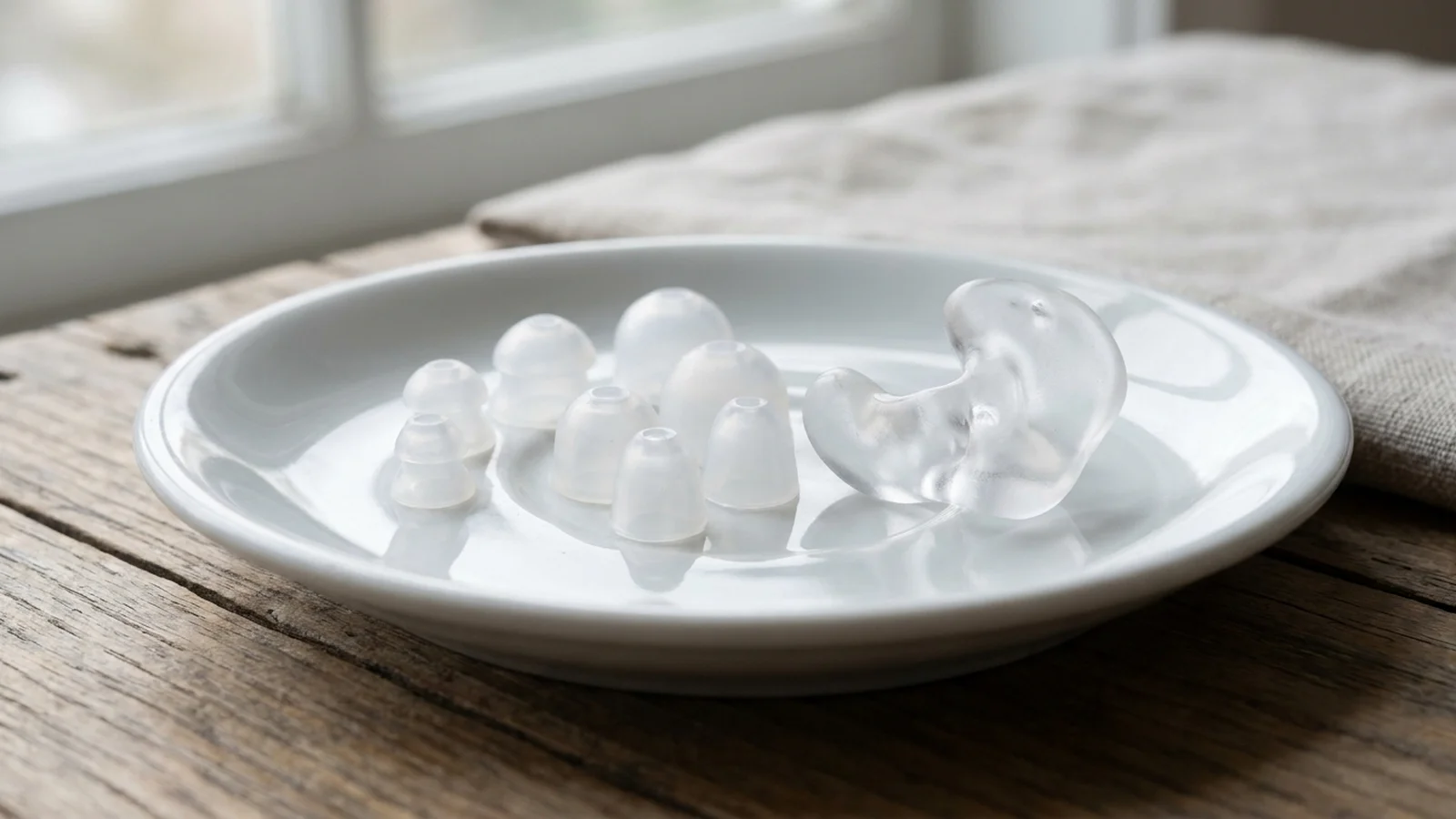
Domes are small, soft tips that attach to the end of certain hearing aids and sit within the ear canal. They come in different shapes and sizes, and are often designed to be replaceable. Because they are ready-made, domes can usually be fitted and swapped without a great deal of fuss. This makes them a convenient option for many people.
Different dome styles suit different ears and hearing needs, and the choice is part of the fitting process. There is no single dome that works for everyone. Your hearing care professional can explain which dome options may be appropriate for your particular devices. They will consider fit as part of the decision.
What custom moulds are
Custom moulds, sometimes called earmoulds, are made to match the individual shape of a person's ear. Because they are tailored to you, they can offer a more personalised fit for some people. Creating a mould usually involves taking an impression of the ear so it can be made to suit your ear's unique contours. This is a straightforward part of the process.
Moulds are often considered when a more secure or individualised fit is helpful. They are shaped specifically for the person who will wear them. Whether a mould is suitable for you is something your audiologist can discuss. They will take your ears and your hearing aids into account.
How domes and moulds differ
The main difference between domes and moulds comes down to how they fit. Domes are ready-made and come in standard shapes and sizes, while moulds are custom-crafted to match an individual ear. This means each option offers a different balance of convenience and personalised fit. Both are widely used, and neither is right for everyone.
The choice depends on your circumstances and hearing needs. It is not a decision you need to make alone. During a fitting, your hearing care professional can talk through how each might suit you. They can explain the practical differences in plain language.
Fit in the ear canal
Fit is a key consideration with both domes and moulds, since the piece sits in a sensitive part of the ear. It is normal for a new fit to take a little getting used to, and small adjustments are sometimes part of the process. If something feels sore, tight or loose, it is always worth mentioning. There is no need to simply put up with it.
Over time, the fit of a dome or mould can be reviewed to make sure it still feels right. Ears can change gradually, which may affect fit. Your audiologist can check the fit at appointments and discuss any changes that might help. Sharing how it feels day to day gives them useful information.
Cleaning and replacement of domes and moulds
Because domes and moulds sit in the ear, they can gather earwax and everyday debris, so a gentle regular clean is helpful. Wiping them with a soft, dry cloth is a common habit, and your hearing care professional can show you the correct way for your particular parts. Keeping this area clean is part of general hearing aid care. A quick clean at the end of the day is usually enough.
Domes are usually replaced from time to time as part of ongoing maintenance, while moulds may occasionally need attention too. This is a normal part of caring for hearing aids. Your audiologist can advise on how often replacement or a professional clean might be appropriate. They can also refresh these parts at your appointments.
When to seek advice from your audiologist
If a dome or mould feels loose, uncomfortable or simply not quite right, it is worth speaking with your hearing care professional. Small issues with fit can often be addressed with a review or a change of part. There is no need to put up with discomfort or wait for a scheduled appointment. Reaching out early gives your audiologist the chance to review the fit.
Your ears can change gradually over time, which can affect how a dome or mould fits. This is a common part of wearing hearing aids, and your audiologist can review the fit with you. Regular check-ins with your audiologist help keep the fit under review. They also keep the fit well suited to you as time goes on.
Different options for different ears
Because every ear is unique, the dome or mould that suits one person may not suit another. This is why the fitting process takes your individual ears into account. It is quite normal to try more than one option before settling on what feels right.
If your first choice does not suit you, let your audiologist know. Adjustments and alternatives are a normal part of the process. Your hearing care professional can talk through the options and help find what works for you.
If you would like to learn more, or to arrange a hearing appointment, you are welcome to get in touch with our friendly team. No referral is necessary, and we are happy to answer any questions you may have.
DISCLAIMER:
The information on this website is provided for educational purposes only. We do not support, nor recommend any products or treatments without proper hearing diagnostic and proper hearing evaluation. All users must seek professional advice before beginning treatment as well as inform themselves of known side effects/risks associated with said procedure(s).
Disclaimer: The information in this article is general in nature and provided for educational purposes only. It does not take into account your individual circumstances and is not a substitute for professional advice. Please consult a qualified hearing health professional about your specific needs.
Related articles
- Hearing Aid Domes, Tubes and Moulds Explained
- Understanding Your Hearing Aid Fitting Appointment
- Understanding Hearing Aid Technology Levels
Looking for a hearing test or ear care? See hearing tests, hearing aids or book an appointment. Browse all articles.