If you have been reading about hearing aids, you may have come across mention of remote microphones as an optional accessory. The name can sound a little technical, but the idea behind them is quite simple. Many people find that remote microphones are a helpful addition in particular situations.
This article gives a general overview of what remote microphones are and how they are typically used. It is general information only. Your audiologist can advise whether such an accessory might suit your own needs. Our team looks after people across Brisbane and Logan, here in Australia.
What a remote microphone is
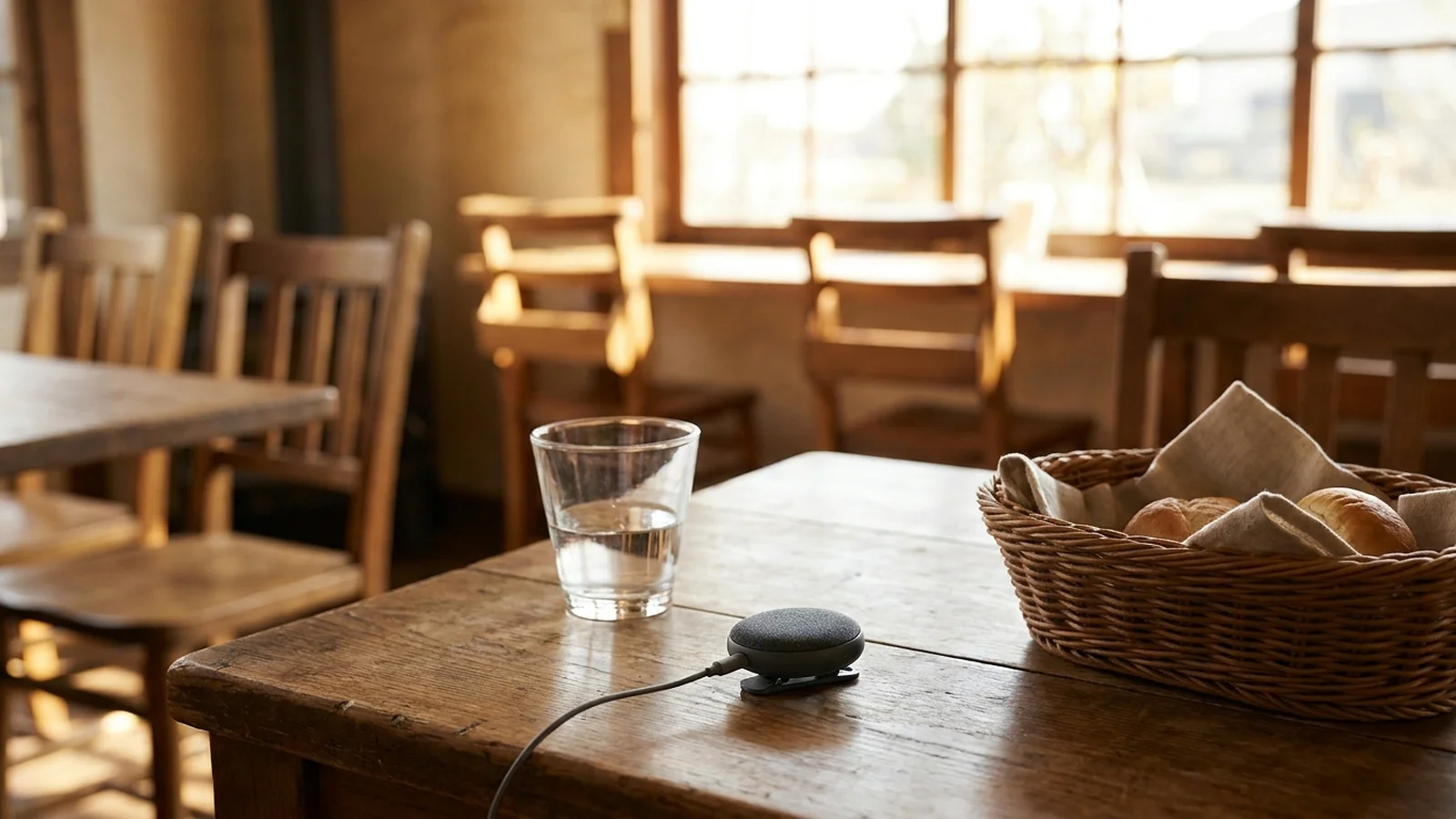
A remote microphone is a small device that picks up sound, usually someone's voice, and sends it wirelessly to your hearing aids. In effect, it captures speech close to its source. It then delivers that speech more directly to you.
The device is generally compact and can be worn or placed near the person you want to hear. Because it sits closer to the speaker than your hearing aids do, it is designed to help where distance or background noise makes listening harder. Think of it as bringing the voice you want to hear a little closer.
How remote microphones are typically used
People often use a remote microphone where the person they are listening to is a little way off. It also helps where there is competing noise around them. A common example is handing the device to a partner or friend so their voice comes through more directly.
Others find them useful in a talk or a meeting, where the microphone can be placed near the speaker. The exact ways people use them vary. An audiologist can help you think about whether any of these scenarios match your daily life. A useful starting point is to picture the moments where you currently strain to listen.
Distance and background noise
Two of the biggest challenges in everyday listening are distance and background noise. The further away a voice is, the harder it can be to follow. The more competing sound there is, the more effort listening takes.
A remote microphone is designed to address these challenges by capturing the voice you want closer to its source. This may support listening in the kinds of settings where those factors can make things difficult.
Everyday situations people mention
People often mention certain situations when talking about remote microphones. Examples include conversations in the car, chatting across a busy room, or listening in a group where several people talk at once. These are moments where hearing well can take extra effort.
Whether a remote microphone would help in your circumstances depends on where and how you find listening difficult. Thinking about the specific situations you find most challenging can help guide a conversation with your audiologist.
How remote microphones connect to hearing aids
Remote microphones generally connect wirelessly to compatible hearing aids. The sound they pick up is delivered to your devices without any wires between you and the speaker. The setup is usually designed to be straightforward to use once it is configured.
Compatibility varies between different hearing aids and accessories, so not every microphone works with every device. This is one reason it is worth discussing your specific hearing aids with an audiologist. Checking compatibility early saves any disappointment later.
Considering whether one suits you
A remote microphone is an optional extra rather than something everyone needs. Whether it would be useful depends on your listening priorities, the situations you find challenging and the hearing aids you have or are considering.
For some people it can be a welcome addition, while others find their needs are already met without one. There is no pressure either way. An audiologist can help you weigh whether it is worth exploring for your situation. It is always fine to start without one and revisit the idea later.
Getting started with an accessory
As with any new device, it can take a little time to get used to using a remote microphone in daily life. Building it into your routine is a practical way to get used to it. Practising in the situations where you plan to use it makes a real difference.
Your audiologist can show you how to use it and answer any questions as you get started. Taking things at your own pace, and asking for help when you need it, is a sensible approach. With a little practice, reaching for the microphone can become part of your routine.
Talking to an audiologist
If a remote microphone sounds like it might help in your daily life, a good next step is to talk it through with a hearing care professional. They can explain how such accessories work with your particular devices and whether one might suit you.
Because everyone's listening needs are different, individual advice is far more helpful than general information alone. An audiologist can take the time to understand the situations you find tricky. They can guide you toward what makes sense for you.
If you would like to learn more, or to arrange a hearing appointment, you are welcome to get in touch with our friendly team. No referral is necessary, and we are happy to answer any questions you may have.
DISCLAIMER:
The information on this website is provided for educational purposes only. We do not support, nor recommend any products or treatments without proper hearing diagnostic and proper hearing evaluation. All users must seek professional advice before beginning treatment as well as inform themselves of known side effects/risks associated with said procedure(s).
Disclaimer: The information in this article is general in nature and provided for educational purposes only. It does not take into account your individual circumstances and is not a substitute for professional advice. Please consult a qualified hearing health professional about your specific needs.
Related articles
- Directional Microphones in Hearing Aids Explained
- Getting the Most from Your Hearing Aids
- What to Expect from a Hearing Aid Trial Period
Looking for a hearing test or ear care? See hearing tests, hearing aids or book an appointment. Browse all articles.