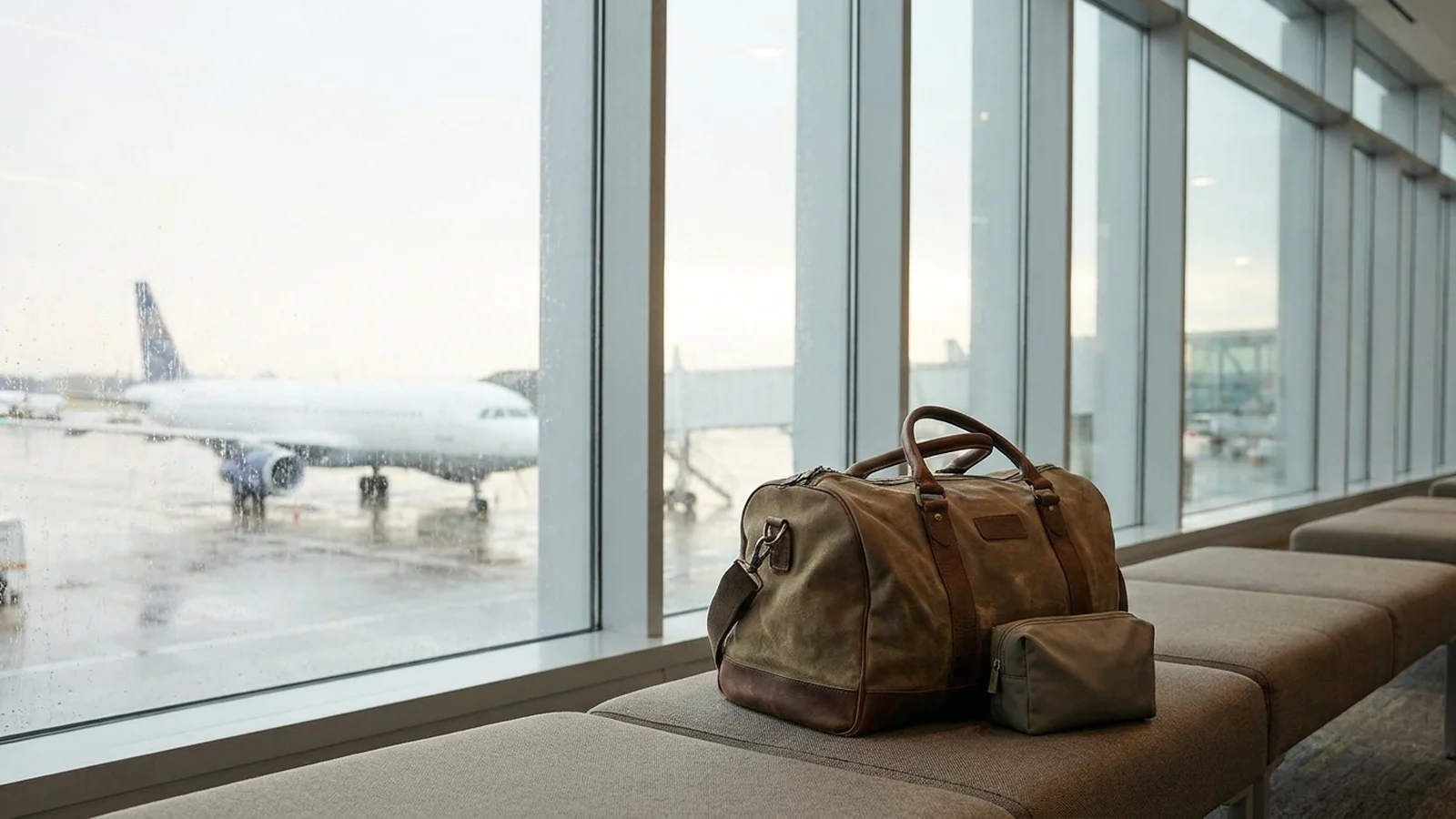
Travelling can be one of the joys of life, and a little planning helps everything run smoothly when you wear hearing aids. Whether you are heading away over the holidays or setting off on a longer adventure, thinking ahead about your devices means you can relax and focus on the trip itself. A small amount of preparation can help you feel ready for your trip.
The tips below are general in nature and designed to help you prepare. For advice tailored to your own devices and needs, a quick chat with your audiologist before you leave is always a good idea. Every device and every destination is a little different, so personal guidance is worthwhile, and your audiologist is happy to help you prepare. As a friendly hearing clinic based in Brisbane, our audiologists help people across Brisbane, Logan and the wider community in Australia prepare for time away. You are always welcome to get in touch.
Packing the essentials for travelling with hearing aids
It helps to gather everything you might need in one small, easy-to-reach kit. Spare batteries or a charger, cleaning tools, and any drying accessories can help with day-to-day care while you are away from home. Having it all in one place means you are not hunting through your luggage, especially at the end of a long travelling day when you would rather be resting.
Keeping this kit in your carry-on rather than checked luggage means your devices and supplies stay with you. That way, if a bag is delayed, you still have what you need close at hand. It is a small habit that can help your everyday routine continue while you are away.
Charging devices and packing your charger
If your hearing aids use a charger, remember to pack it along with any travel adaptors you may need for your destination. Charging overnight in an accessible spot helps you start each day ready to go, especially when your schedule is busy. It is worth checking the type of power outlet used where you are heading, so the right adaptor is packed and ready.
If your devices use disposable batteries, it can be reassuring to carry a few more than you expect to use. Batteries are not always easy to find while travelling, so a small spare supply can save a lot of searching. It is better to have more than you need than to run short, particularly if you are visiting somewhere unfamiliar.
Going through airport security
Airport security arrangements can vary, so check the current guidance from your airline and airport before you travel. If you feel unsure, you are welcome to let a staff member know you wear hearing devices, and they can guide you through the process calmly. There is nothing to feel awkward about, as staff assist travellers with all kinds of needs every day.
Carrying a simple note or your device information can be handy if you would like to explain things quickly. Staff are used to assisting travellers with a range of needs. Giving yourself a little extra time at the airport can also help you avoid rushing.
Handy travel tips for new places
Travel often means new and changing surroundings, from busy terminals to quiet countryside. Some settings may sound busier or quieter than you are used to, and giving yourself a moment to adjust is perfectly normal. There is no need to rush the experience, and it can help to simply pause and take in each new place at your own pace.
If your devices have different listening settings, it can be worth becoming familiar with them before you travel. Your audiologist can show you how to use these features so you feel confident switching between them in different places. Knowing your way around your devices beforehand means one less thing to think about while you are away.
Cleaning and caring for your devices
Warm, humid or dusty conditions can affect any small electronic device. Gentle daily cleaning and the use of a drying container overnight are simple habits that can support your devices while you are away. A little care goes a long way in unfamiliar climates, and it helps look after your devices throughout your trip.
If you are visiting somewhere very warm or damp, keeping your devices dry and clean becomes especially worthwhile. A protective case helps when they are not being worn, and it keeps them safe as you move from place to place. Storing them somewhere cool and dry, rather than in direct sun, is another easy habit worth keeping.
Keeping batteries and accessories organised
When routines change, it is easy to misplace small items. A consistent spot for your devices and accessories, such as always returning them to their case at night, helps keep everything together and easy to find. Building this habit early in your trip means fewer worried moments searching for something small.
- Store devices in the same case each night
- Keep spare batteries or a charger in your carry-on
- Pack cleaning and drying tools together
- Note down your device details before you leave
A hearing appointment before you go
Booking a check-up before a big trip can be a helpful way to make sure everything is working as it should. It is also a chance to ask any questions about caring for your devices while away, so nothing catches you by surprise once your holiday begins. A short appointment beforehand can help you feel prepared.
If you rely on your hearing aids day to day, knowing they are in good working order before departure can be reassuring. Your audiologist is happy to help you prepare and to talk through anything specific to your trip, so you can set off feeling confident and ready to enjoy yourself.
If you would like to learn more, or to arrange a hearing appointment, you are welcome to get in touch with our friendly team. No referral is necessary, and we are happy to answer any questions you may have.
DISCLAIMER:
The information on this website is provided for educational purposes only. We do not support, nor recommend any products or treatments without proper hearing diagnostic and proper hearing evaluation. All users must seek professional advice before beginning treatment as well as inform themselves of known side effects/risks associated with said procedure(s).
Disclaimer: The information in this article is general in nature and provided for educational purposes only. It does not take into account your individual circumstances and is not a substitute for professional advice. Please consult a qualified hearing health professional about your specific needs.
Related articles
- Getting the Most from Your Hearing Aids
- Caring for Hearing Aids in Winter
- Hearing Aid Care While Travelling These Holidays
Looking for a hearing test or ear care? See hearing tests, hearing aids or book an appointment. Browse all articles.