Hearing aids are often supported by a range of accessories designed to support wearing and caring for them. From cleaning tools to charging equipment, these extras can play a helpful part in daily life. Knowing what is available can make it simpler to look after your devices and feel confident using them. There is no need to have everything at once, as your needs will become clearer over time. Hearing aid accessories come up often with our Brisbane and Logan clients, and the same general ideas apply right across Australia.
This general overview introduces some of the common accessories that work with many hearing aids. What suits you will depend on the style and features of your particular devices, so an audiologist is a suitable person to explain which accessories are relevant for your needs. Think of this as a friendly introduction rather than a shopping list. Your hearing care professional can help you focus on what is genuinely useful.
Cleaning tools and hearing aid accessories
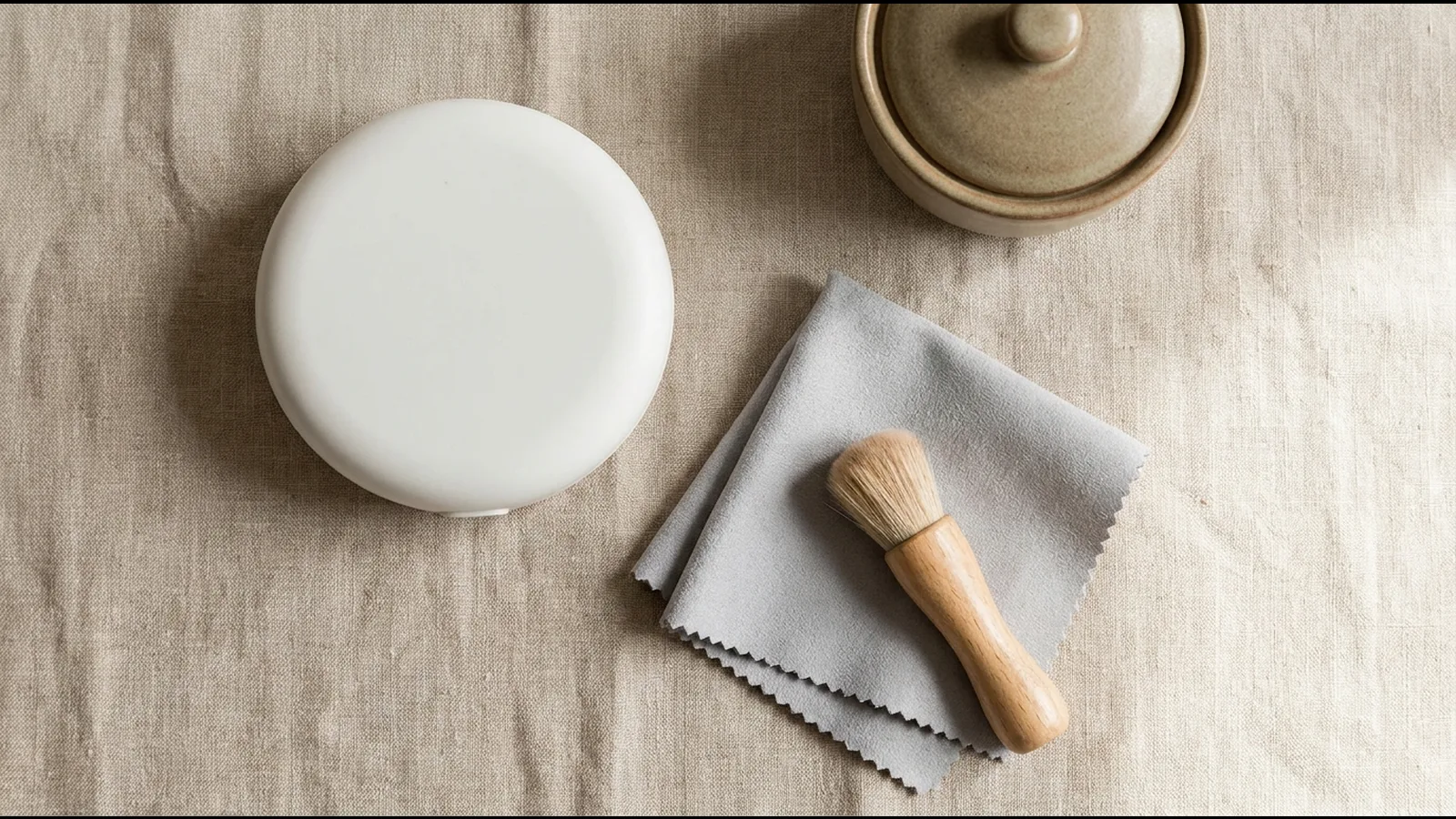
Keeping hearing aids clean is a regular part of ownership, and several small tools are made for this purpose. Soft brushes, wax picks and cleaning cloths are commonly used to gently remove everyday debris and moisture. Many people keep these tools together so a quick daily clean fits into the routine. Having them within reach can help the habit stick.
Because hearing aids contain delicate parts, using the right tools in the right way matters. It is generally advisable to avoid water, solvents or anything sharp near the components. Your hearing care professional can demonstrate the correct cleaning technique for your style of device. They can also suggest which tools are most suitable for you.
Drying containers and storage cases
Moisture is a common consideration for hearing aids, which is why drying accessories are often used. These can range from simple drying containers to electronic units designed to gently remove moisture overnight. Storing devices in a dry, protected spot when they are not being worn is a habit many people adopt. In humid conditions, a drying aid can be especially handy.
Storage cases also help keep hearing aids safe from knocks, dust and pets. Whether you use a basic case or a drying unit, the aim is to keep your devices protected and ready for the next day. Keeping the case in a consistent spot helps the routine stay consistent. An audiologist can advise on drying and storage options that suit your circumstances.
Batteries, chargers and rechargeable devices
Depending on the model, hearing aids may use disposable batteries or be rechargeable. Those with disposable batteries rely on the correct size being on hand, so keeping spares is a practical habit. Battery caddies and small storage cases can help keep them organised and easy to find. A tidy supply means you are less likely to be caught short.
Rechargeable hearing aids come with a charger that also often doubles as a storage case. Building charging into your evening routine helps keep the devices ready to use each morning. If you travel, remembering the charger and any adaptors is worth keeping in mind. Your hearing care professional can explain how the power source for your particular hearing aids works.
Wireless and connectivity accessories
Many modern hearing aids can connect wirelessly to other devices, and a range of accessories supports this. Some are designed to stream sound from a television, phone or other source directly to the hearing aids. Small remote microphones are another example, intended to pick up a speaker's voice in certain situations. These accessories are designed to support particular listening moments.
The available options vary widely depending on the hearing aid and its features, so not every accessory works with every device. If wireless connection is something you are curious about, it is worth checking what is compatible. An audiologist can talk through the options that suit your hearing aids. They can also show you how any connected accessories are used.
Remote controls and smartphone apps
Some people prefer to adjust their hearing aids using a handheld remote control or a smartphone app rather than the buttons on the devices themselves. These tools allow settings or volume to be changed discreetly. Apps may also offer simple ways to keep track of everyday adjustments. For those who use a smartphone, an app is another option.
Not all hearing aids offer app or remote control options, and the features differ between models. If this kind of control appeals to you, it is worth asking what is available for your devices. Your hearing care professional can explain the choices and help you get started. A short walkthrough from your audiologist can show you how to use these tools.
Domes and fit accessories
For added security, some people use small accessories that help keep hearing aids secure, such as clips or retention cords. These can be particularly reassuring during active moments or for those worried about a device slipping. Different dome or tip options may also be discussed as part of a fitting. The aim is simply to help the devices sit securely.
The right combination of accessories is a personal thing and depends on your lifestyle and devices. There is no need to use everything, as a few well-chosen items are often plenty. Talking it through with an audiologist can help you decide what might be genuinely useful. That way you focus on what truly helps your day-to-day experience.
If you would like to learn more, or to arrange a hearing appointment, you are welcome to get in touch with our friendly team. No referral is necessary, and we are happy to answer any questions you may have.
DISCLAIMER:
The information on this website is provided for educational purposes only. We do not support, nor recommend any products or treatments without proper hearing diagnostic and proper hearing evaluation. All users must seek professional advice before beginning treatment as well as inform themselves of known side effects/risks associated with said procedure(s).
Disclaimer: The information in this article is general in nature and provided for educational purposes only. It does not take into account your individual circumstances and is not a substitute for professional advice. Please consult a qualified hearing health professional about your specific needs.
Related articles
- A Guide to Hearing Aid Controls and Volume
- A Simple Guide to Hearing Aid Cleaning Tools
- A New Year Guide to Booking a Hearing Check
Looking for a hearing test or ear care? See hearing tests, hearing aids or book an appointment. Browse all articles.