Keeping hearing aids clean is a simple part of everyday care, and a handful of small tools are often used to help. If you are new to hearing aids, the little brushes and picks that come with them can seem unfamiliar at first. Understanding what each one is generally for can make daily care feel much more approachable.
This is a general guide to the kinds of cleaning tools people use. It is not advice for any particular device, and your audiologist can show you which tools suit your specific hearing aids and how to use them safely. Once you know what each one does, they become familiar. Having the right tools to hand supports everyday care.
Why Hearing Aid Cleaning Tools Are Useful
Hearing aids have small parts and openings that can gather a little earwax and everyday residue. Purpose-made tools are designed to reach these areas gently and effectively. Using the right tool for the job helps you avoid handling the device roughly.
There is no need to feel daunted by having a few tools. Once you know what each one is for, they quickly become a familiar part of your routine. A short demonstration is often all it takes to feel confident.
A Soft Cleaning Brush for Hearing Aids
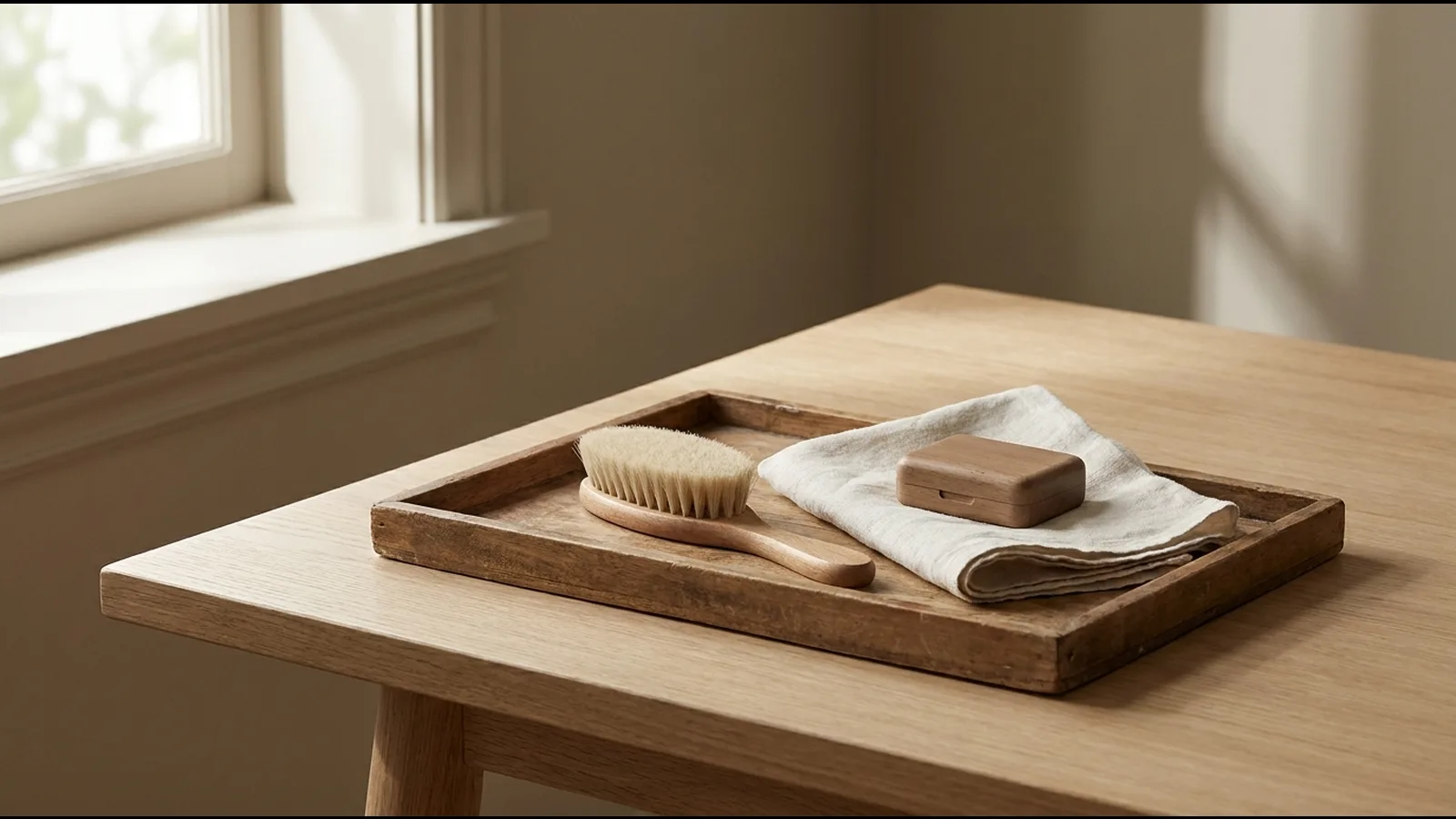
A small, soft brush is one of the most common tools. It is generally used to gently clear away residue from the surfaces and openings of a hearing aid. The soft bristles are designed to be kind to the delicate parts of the device.
Brushing gently over a soft surface, such as a folded towel, helps in case the device slips. Your audiologist can show you a good way to use a brush for your particular hearing aids. A light, careful touch is all that is needed.
A Wax Pick or Loop
Some cleaning kits include a small pick or loop, which is designed to gently clear earwax from the openings that sit in the ear. Because these areas naturally gather a little wax, this tool can be helpful. It is important to use it gently and only as shown.
An audiologist can demonstrate the correct technique so you feel confident. Using this kind of tool carefully helps look after the device. There is no need to rush or press hard.
A Soft, Dry Cloth
A soft, dry cloth is perhaps the simplest tool of all, and it is used for a gentle daily wipe. It clears everyday moisture and residue from the outside of the device. Many people keep one handy for a quick wipe at the end of the day.
It is generally better to avoid dampening the cloth or using cleaning sprays unless your audiologist has recommended something specific. A dry cloth is usually all that is needed for daily wiping. Keeping it simple helps the habit stick.
Replaceable Parts and Filters
Some hearing aids include small replaceable parts, such as filters, that are designed to be changed from time to time. These are a normal part of caring for certain devices and help keep the openings clear. The specifics vary from one device to another.
Your audiologist can explain whether your hearing aids use replaceable parts and how to manage them. They can also make sure you have what you need to do this at home. There is no need to work it out on your own.
Drying Aids and Containers
Alongside cleaning tools, some people use a container or system designed to help manage moisture. These are used to keep hearing aids dry and airy when not in use, particularly in damp conditions. They are a helpful complement to daily cleaning.
Whether a drying aid suits your device is something your audiologist can advise on. They can explain how to use one correctly if it is right for you. It can be a handy part of a simple routine.
Keeping Your Hearing Aid Cleaning Tools Together
It helps to keep your cleaning tools in one place, such as a small pouch or drawer near where you store your hearing aids. Having everything together helps you keep up your routine. It also means you are less likely to misplace the smaller items.
If you are ever unsure which tool to use or how, your hearing care professional is happy to show you. There is no need to guess when help is readily available. A quick refresher is always welcome.
Getting to Know Your Kit
When you first receive a set of cleaning tools, it can help to have your audiologist run through each one with you. Seeing how each tool is used, and having a go yourself, tends to make everything feel far more approachable. With practice, using the right tool becomes routine.
If a tool wears out or you are unsure whether you have everything you need, it is easy to ask at your next visit. Keeping your kit in good order helps your daily routine stay simple. A little familiarity with these small tools goes a long way towards confident care. With everything to hand and a simple routine in place, everyday cleaning need never feel like a chore.
This simple guide to hearing aid cleaning tools covers the handful of items many people find useful. A soft cleaning brush, a wax pick or loop, and a soft, dry cloth all help lift away everyday earwax. Replaceable filters and a drying container are handy extras to keep alongside them.
Keeping your hearing aid cleaning tools together in one spot helps the routine. An audiologist or audiometrist in Brisbane, and across Australia, is happy to show you how to use each tool and answer any questions.
If you would like to learn more, or to arrange a hearing appointment, you are welcome to get in touch with our friendly team. No referral is necessary, and we are happy to answer any questions you may have.
DISCLAIMER:
The information on this website is provided for educational purposes only. We do not support, nor recommend any products or treatments without proper hearing diagnostic and proper hearing evaluation. All users must seek professional advice before beginning treatment as well as inform themselves of known side effects/risks associated with said procedure(s).
Disclaimer: The information in this article is general in nature and provided for educational purposes only. It does not take into account your individual circumstances and is not a substitute for professional advice. Please consult a qualified hearing health professional about your specific needs.
Related articles
- A Simple Guide to Caring for Your Hearing Aids
- Hearing Aid Cleaning and Maintenance Kits Explained
- A Guide to Hearing Aid Controls and Volume
Looking for a hearing test or ear care? See hearing tests, hearing aids or book an appointment. Browse all articles.