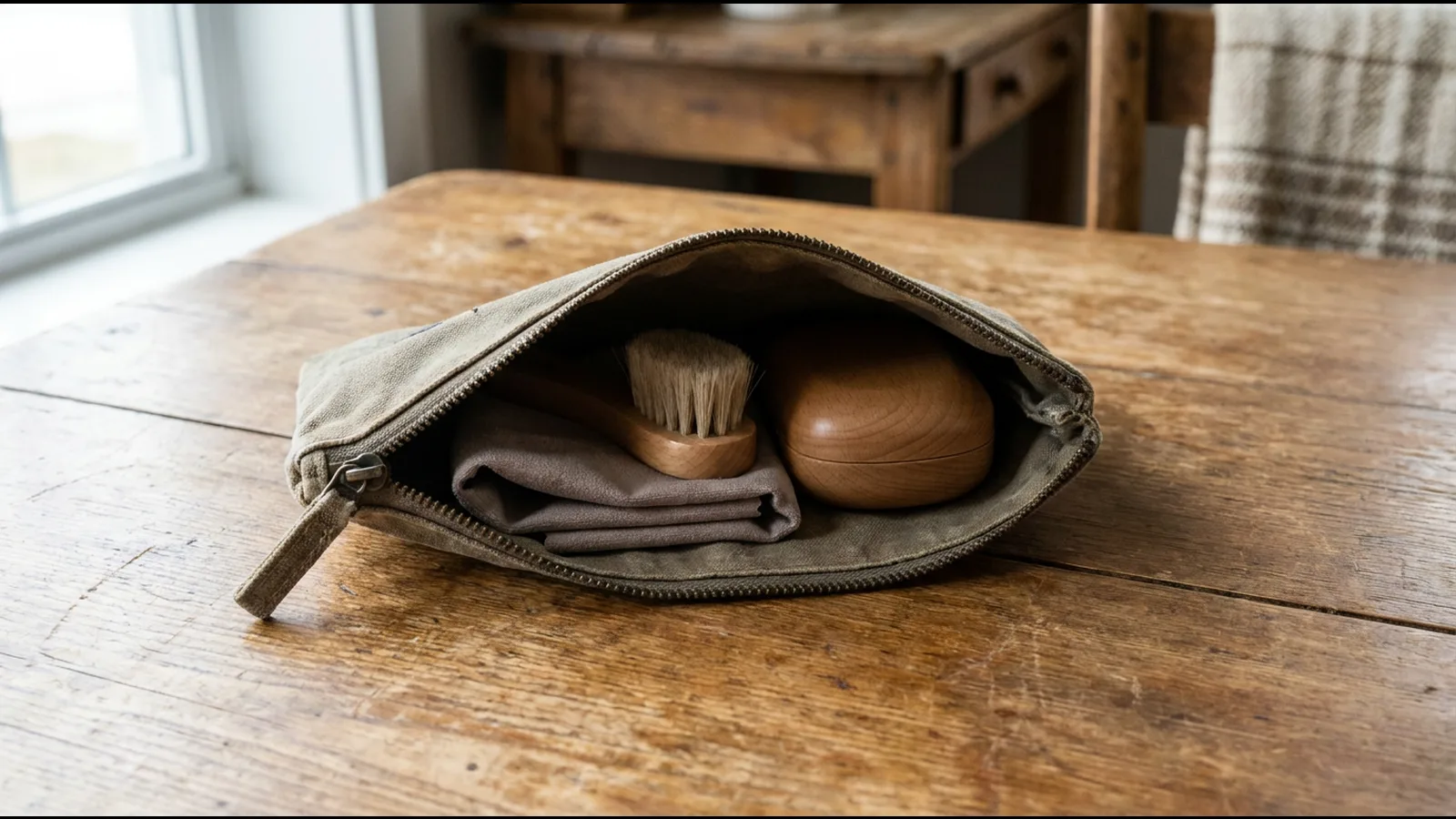
Looking after hearing aids is part of everyday ownership, and a cleaning and maintenance kit can make this simpler. These kits bring together small tools designed to help keep devices clean and well cared for. Understanding what a typical kit includes can help you feel more confident about your daily routine. It also helps keep everything in one handy place. Hearing aid cleaning and maintenance kits come up often with our Brisbane and Logan clients, as they do for people across Australia.
This general overview looks at the sorts of items commonly found in maintenance kits and how they are used. The tools that suit your devices depend on their style, so your audiologist is the right person to advise. Think of this as a friendly introduction rather than a guide to any specific kit. Your hearing care professional can point you to what is genuinely useful.
What a hearing aid maintenance kit is for
A maintenance kit is simply a collection of tools that support the everyday care of hearing aids. Keeping devices clean and clear of everyday debris is an important part of ownership, and having the right tools together helps. Many people keep their kit in one handy spot so a quick clean is always within reach. This small convenience helps the habit stick.
Kits vary in what they contain, and not every tool is needed for every style of hearing aid. Some styles call for particular tools, while others need very little. Your hearing care professional can recommend the tools that are genuinely useful for your particular devices. That way your kit contains only what you will actually use.
Cleaning brushes
Soft brushes are a common part of many maintenance kits, used to gently sweep away everyday debris from the surface of hearing aids. They are particularly handy for the small crevices where dust can gather. A light, careful brushing is usually all that is needed as part of a daily routine. It takes only a moment once it becomes a habit.
Because hearing aids contain delicate parts, using the brush gently is important. Firm pressure or rough handling is best avoided. Your audiologist can show you the correct technique for cleaning your devices. This helps you keep them tidy without causing any harm.
Wax tools and earwax
Earwax is a natural part of ear health, but it can gather on the parts of hearing aids that sit in the ear. Many kits include small tools designed for cleaning wax from the hearing aid itself. These tools are for the device only. Wax in the ear itself is a matter for your GP or an audiologist. Keeping these areas clean is a normal part of looking after your devices. A quick check as part of your routine is a sensible habit.
Using wax tools carefully and only as shown helps avoid damaging the device. It is best not to improvise with other objects. Your hearing care professional can demonstrate how to use them safely on your particular hearing aids. They can also show you which areas need the most attention.
Cleaning cloths
A soft, dry cloth is one of the simplest and most useful items for hearing aid care. Wiping devices at the end of the day helps remove moisture and everyday grime, keeping them tidy. Many people build this quick habit into their evening routine. It is a small step that suits a regular routine.
Check the care instructions for your hearing aids before using water or cleaning solvents on them. A dry cloth is usually all that is needed for everyday wiping. Your audiologist can offer general guidance on gentle cleaning. They can also suggest how often a more thorough clean might be helpful.
Drying aids and storage
Some maintenance kits include drying containers or similar items to help manage moisture. Storing hearing aids in a drying aid overnight is a habit some people adopt, particularly in humid conditions. This can be a simple way to keep devices dry when they are not being worn. It offers a little extra peace of mind in damp weather.
Drying options range from basic containers to electronic units, and what suits you depends on your circumstances. There is no need to have the most elaborate option, as a simple one is often plenty. Your hearing care professional can talk through whether a drying aid might be helpful for you. They can suggest an approach that fits your routine.
Building a simple cleaning routine
Having the right tools is most useful when paired with a simple, regular routine. Many people give their hearing aids a light clean each evening and store them safely overnight, using their kit along the way. A consistent habit helps keep devices tidy without much effort. Once it becomes part of your day, it can become a quick habit.
Alongside home care, regular professional cleaning at your appointments remains valuable. Some cleaning is best left to your clinic. Your audiologist can check your devices, give them a thorough clean and refresh your kit's supplies as needed. Together, home care and professional care keep your hearing aids in good shape.
Storage of your kit and topping up tools
A maintenance kit is most useful when it is within reach. Many people keep theirs near where they store their hearing aids overnight, so a quick clean fits naturally into the routine. Having everything in one place removes any excuse to skip the habit.
It also helps to keep the kit somewhere dry and away from children and pets. Checking now and then that your supplies are topped up means you are never caught short. Your hearing care professional can refresh any items that run low at your appointments.
If you would like to learn more, or to arrange a hearing appointment, you are welcome to get in touch with our friendly team. No referral is necessary, and we are happy to answer any questions you may have.
DISCLAIMER:
The information on this website is provided for educational purposes only. We do not support, nor recommend any products or treatments without proper hearing diagnostic and proper hearing evaluation. All users must seek professional advice before beginning treatment as well as inform themselves of known side effects/risks associated with said procedure(s).
Disclaimer: The information in this article is general in nature and provided for educational purposes only. It does not take into account your individual circumstances and is not a substitute for professional advice. Please consult a qualified hearing health professional about your specific needs.
Related articles
- Hearing Aid Domes, Tubes and Moulds Explained
- Directional Microphones in Hearing Aids Explained
- A Simple Guide to Hearing Aid Cleaning Tools
Looking for a hearing test or ear care? See hearing tests, hearing aids or book an appointment. Browse all articles.